How Data is Making the Case for Food in Healthcare

For Food is Medicine programs to be accessible to eligible people across the U.S., they will need to be covered by both public and private health insurance. That’s why the Health Care by Food initiative is generating rigorous evidence that health insurers and policymakers can use to inform coverage of these programs.
With help from The Rockefeller Foundation, the Health Care by Food initiative has supported 28 studies across the country — including in California, Ohio, Alabama, Texas, Louisiana, and New York — to generate evidence on which Food is Medicine programs are most effective and how they can be designed to maximize health improvements for patients with different conditions.
Already, the data shows these programs have widespread impacts on healthcare utilization and healthcare costs. One recent study supported by the American Heart Association's Health Care by Food initiative found that Navajo Nation patients hospitalized for heart failure were significantly less likely to be readmitted within 90 days if they received meals tailored to their medical and cultural needs.
We spoke with Dr. Kevin Volpp and Dr. Hilary Seligman, scientific lead and deputy scientific lead of the Health Care by Food initiative, about the far-reaching implications for the U.S. healthcare system and the economy writ large — and what the research shows and how it’s informing the expansion of Food is Medicine programs across the country.
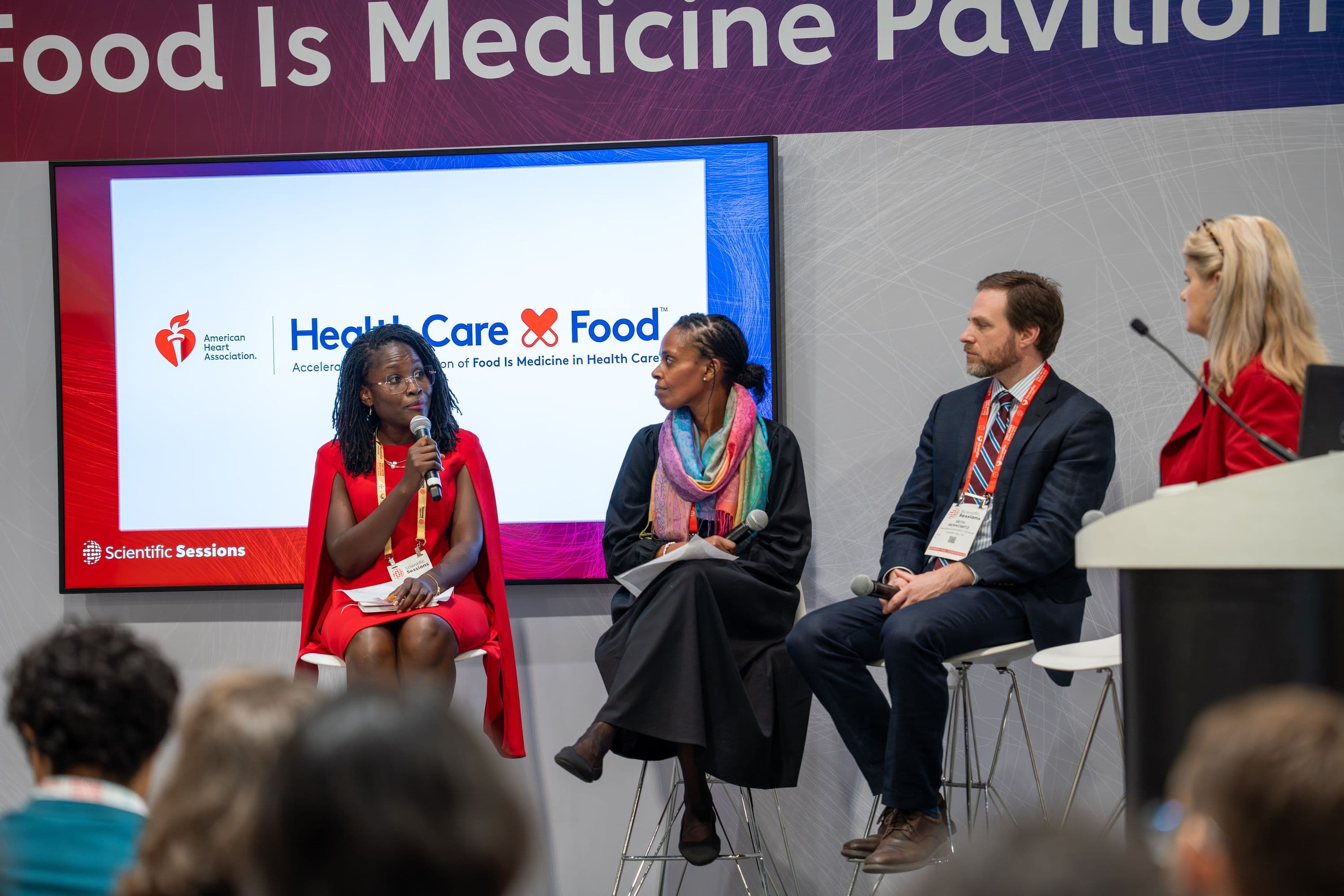 Photo: American Heart Association
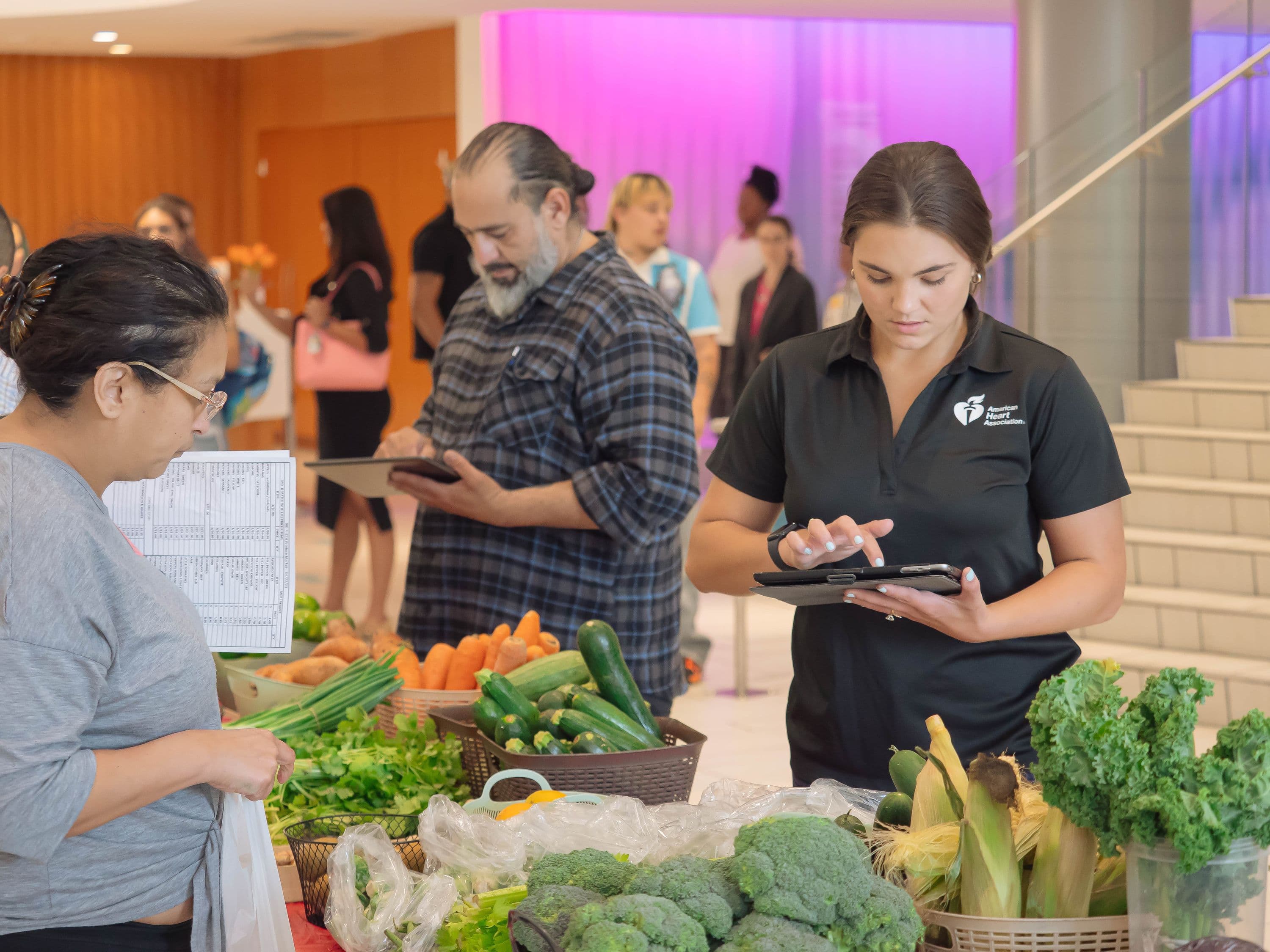 Photo: American Heart AssociationPhoto: American Heart AssociationPhoto: American Heart Association
Over the next three to five years, the health system will no longer have just medications and operations in its toolbox, they also will have access to healthy food as a strategy to help people stay healthy.

-2.png%3Fv%3D2026-05-18T18%253A34%253A56.259Z&w=3840&q=75)
