Chapter 02
Community-Driven Models
When you're making a big bet, the best place to start is with the communities that have the most at stake.
They understand the problems most deeply, they know what solutions will actually take hold, and they're the ones who will carry the work forward. We believe philanthropy is uniquely positioned to deliver that: investing patiently, taking risks on models we believe in, and building community partnerships.
In 2025, The Rockefeller Foundation backed that belief with action — investing in models designed not just to deliver results, but to be owned and sustained by the people they serve.
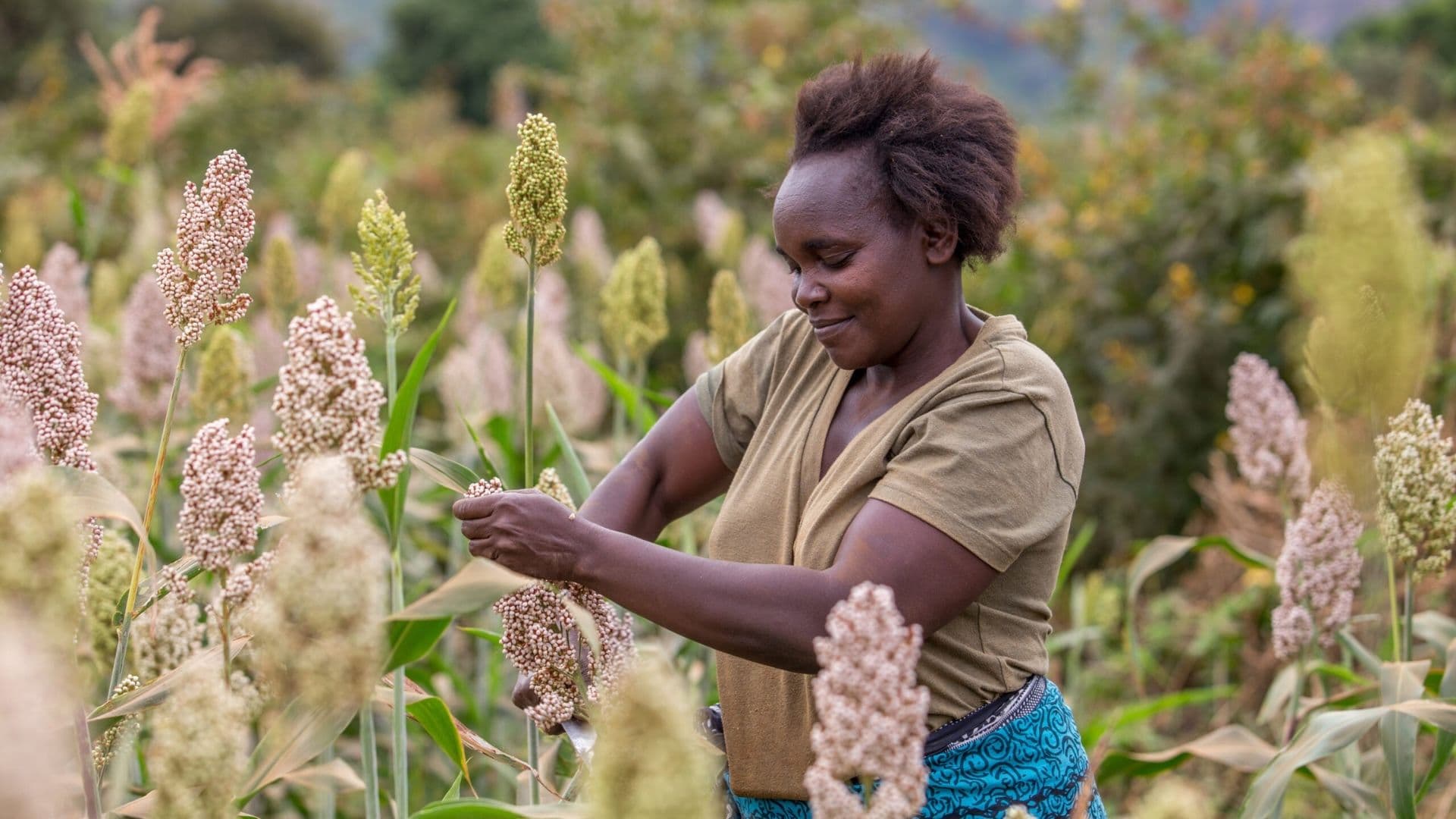
From school feeding programs co-designed with national governments to conservation efforts led by Indigenous communities in the Brazilian Amazon, we supported approaches built from the ground up — and saw the results possible when the people closest to a problem are given the resources to solve it.
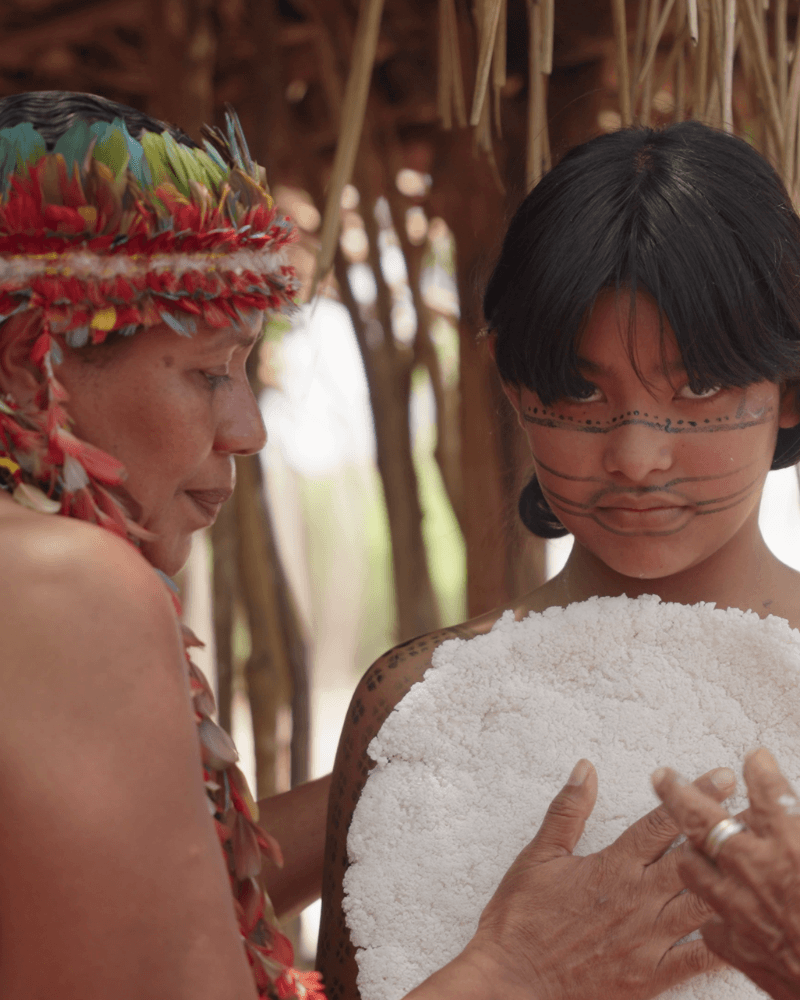
Indigenous Women Restore the Amazon

Key Results

learners in Kenya, Rwanda, and Indonesia received new or improved school meals through programs strengthened by evidence and technical assistance from the Foundation’s partner network

mobilized for new or improved school meals
School meal programs are the world's largest social safety net, reliably feeding 466 million children in 2025 and supporting their education and growth. That’s why we’re making a $100 million commitment to reach 100 million more children with increasingly nutritious, locally grown, and regeneratively sourced school meals as part of our Big Bet on Good Food.
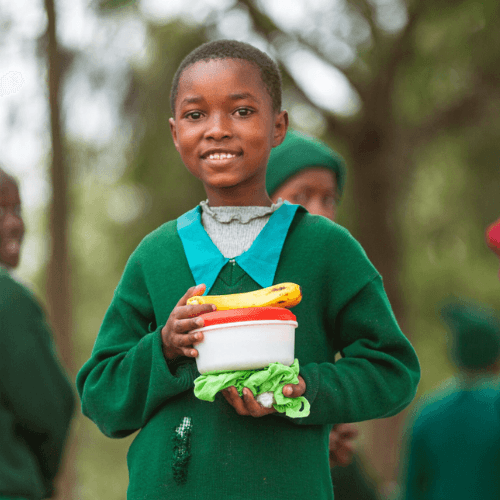
School meals do more than address child hunger. As environmental changes compromise food production, nutrition quality, and threaten local economies, “good food” includes finding resilient ways to support farmers and foster sustainable practices that boost soil health and biodiversity. That's the transformative potential of Regenerative School Meals: By reimagining how we feed children, we can create a ripple effect that helps families, communities, and the planet.
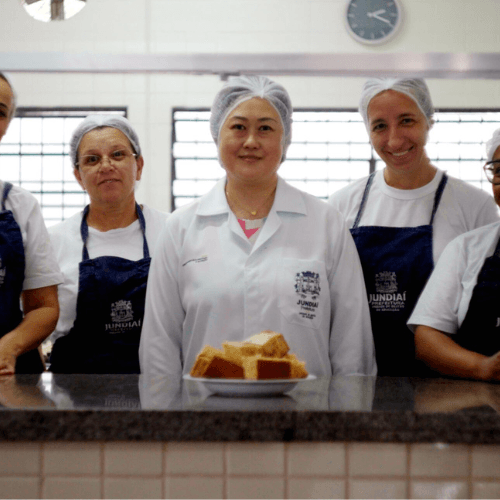
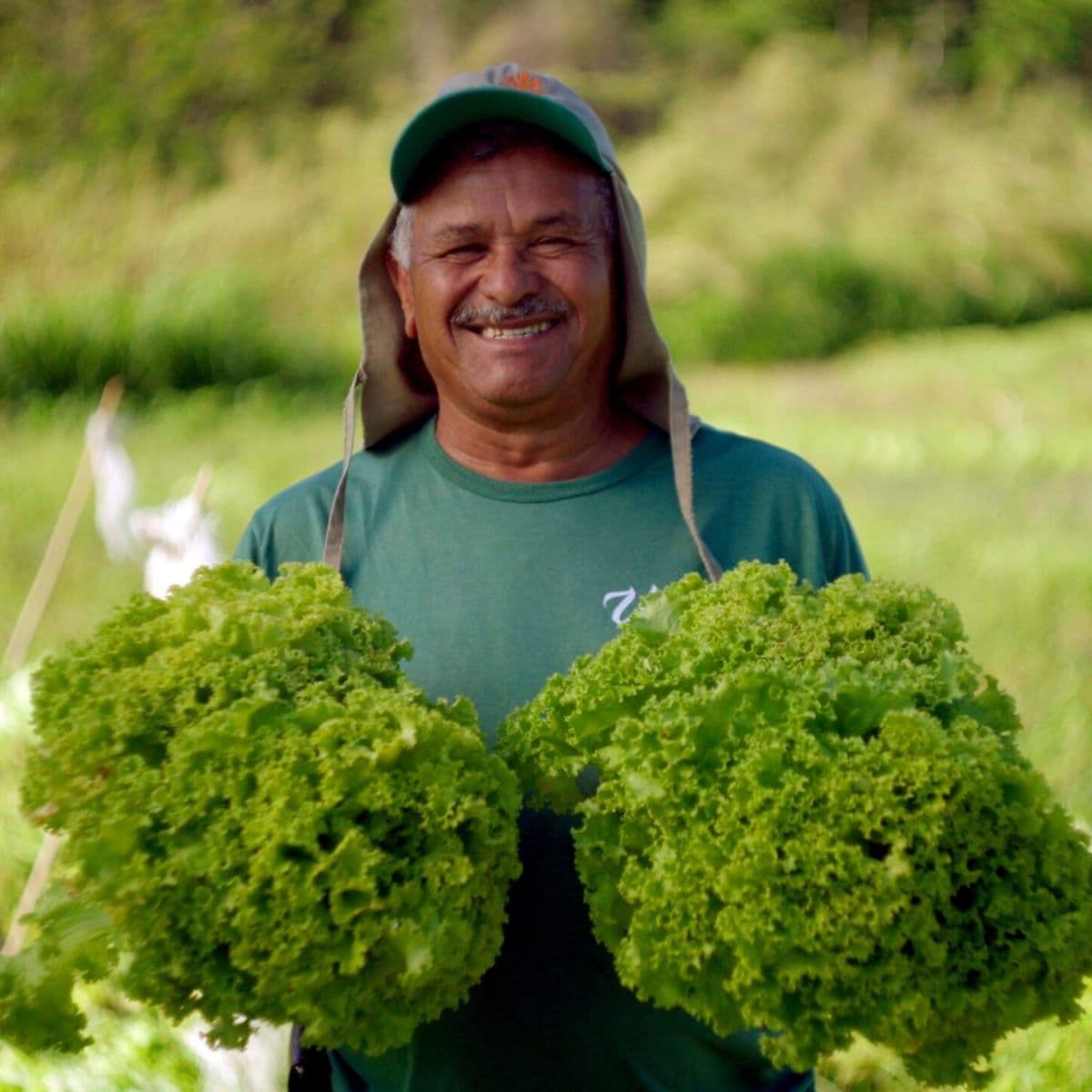
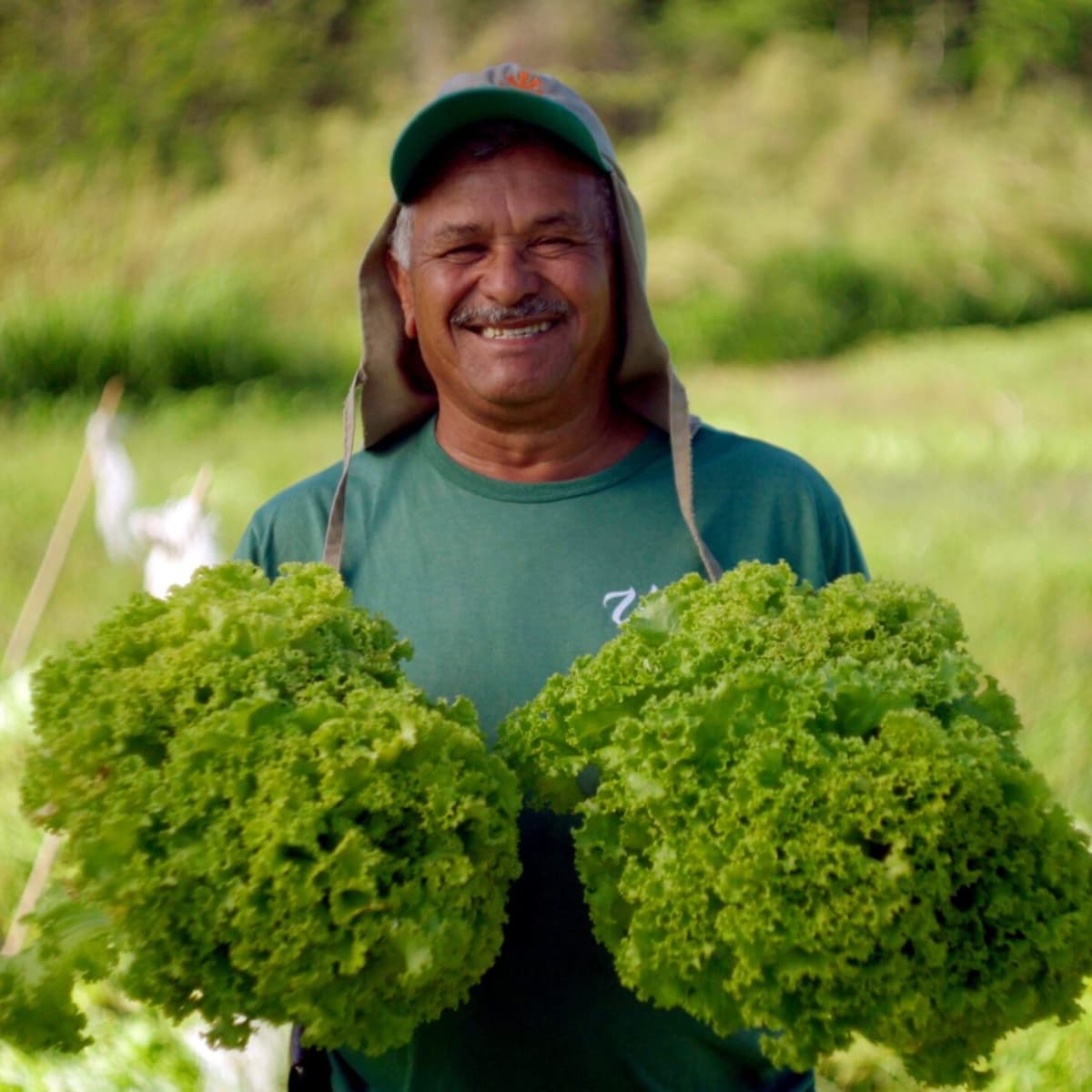
We believe in that potential because we’ve seen it work before. In Brazil, a national law requires 45% of school food to come from family farms, helping stabilize farmers' incomes and funnel investment directly into rural communities, while providing children with fresh, nutritious food; some farmers have doubled their profits as a result. Globally, school meal programs have returned up to 35 times on investment in social and economic benefits, while creating nearly 1,600 jobs per 100,000 children being fed.
Today, The Rockefeller Foundation is working across Africa, Asia, Latin America, and in the U.S. alongside the School Meals Coalition, the School Meals Accelerator, the Agroecology Coalition, and a growing community of implementing partners and farmer networks who share the belief that food systems change is urgent and possible. Together, we are supporting similar country-led models that will operate across communities and contexts to become a long-term driver of development.
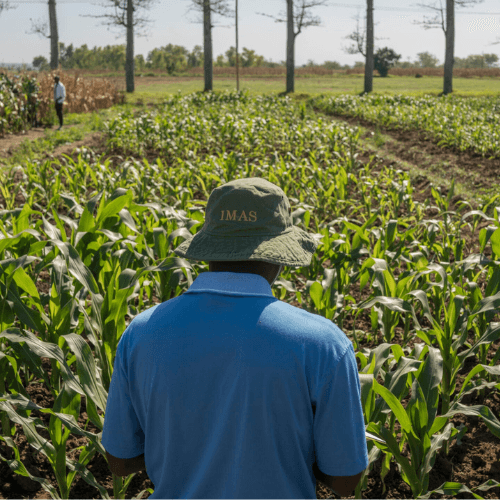
-1.jpg%3Fv%3D2026-06-11T20%253A07%253A46.499Z&w=3840&q=75)
Recipe for a Holistic Food System
Through our partnership with the World Food Programme, millions of children in Asia and Africa now attend schools committed to good food purchasing, which means prioritizing nutritious, locally sourced, and sustainably produced foods while supporting small farms and regional economies.
Our support has helped the WFP build good food programs that connect schools to local food systems, identify common adoption barriers, back evidence-based solutions, and build tools countries can actually use.

Introducing New Proteins to School Meals
Getting school meal programs to take root requires identifying food sources that mesh with local supply chains, and getting kids to actually enjoy healthy food.
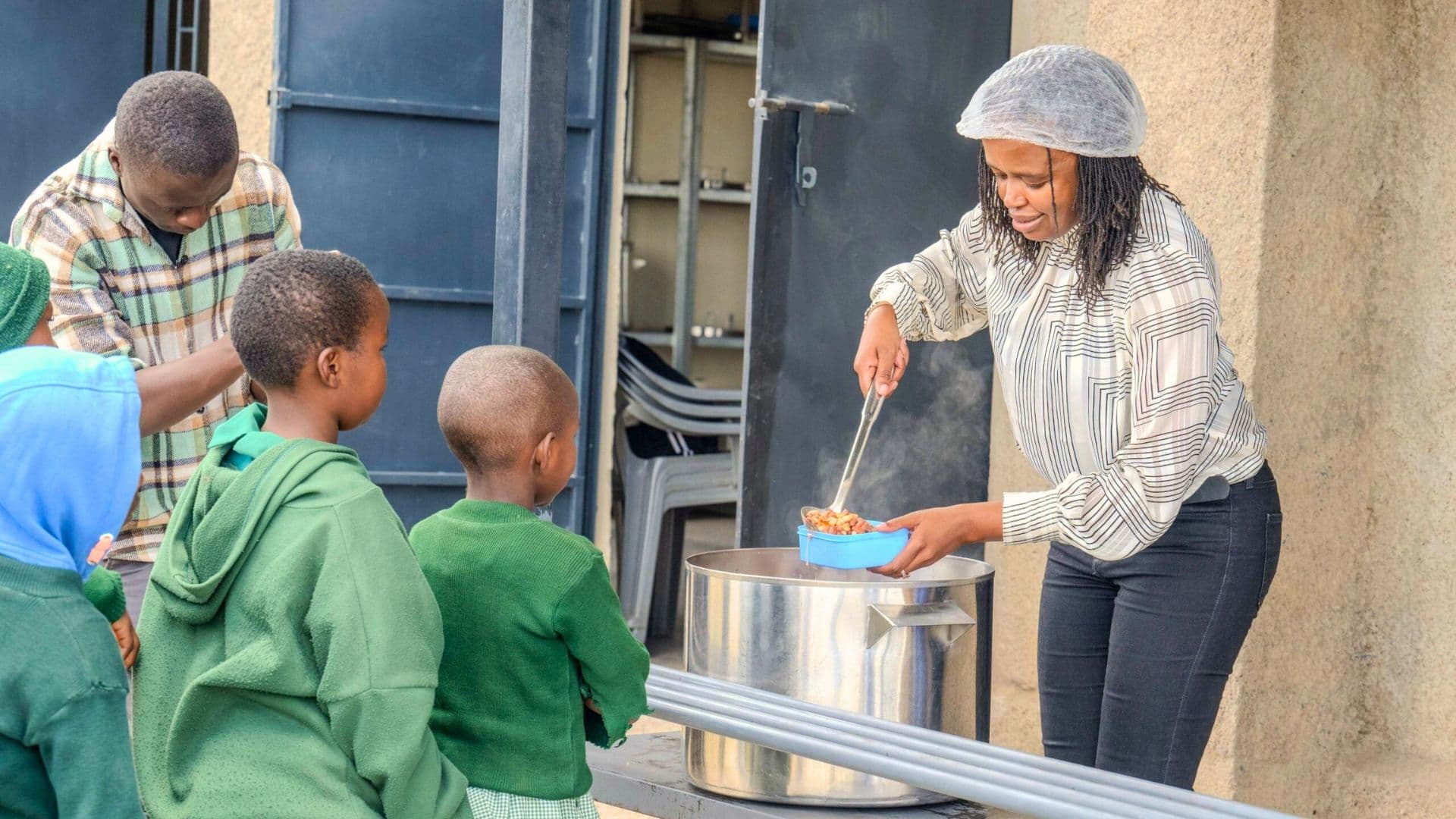
That was a core consideration of a new school meal program in Kenya, where our partners at Lattice Aquaculture introduced omena — a highly nutritious sardine commonly fished from Lake Victoria — into daily meals for 18,449 students across 19 schools.
In an era of dwindling development finance, philanthropies like ours have a unique responsibility to imagine new, efficient, and far-reaching models for lifting people up. Those solutions need to be more than tools designed and deployed from abroad. For big bets to succeed, they have to be built to last — generating results for communities long after the initial investment, and growing stronger alongside the communities they support. That's the mentality we bring to working in the regions where we operate, with our signature AfricaXchange and AsiaXchange convenings providing a stage for our regional grantees and partners to amplify their voices, connections, and impact. It's also why we're investing in strengthening the philanthropic sector across Latin America and the Caribbean, so the region has the homegrown capacity to deliver on its own terms. And last year, we co-developed financing frameworks to help countries build and sustain their own school meal programs — bringing together governments, practitioners, and funders to work through the hard questions together.
.png&w=3840&q=75)
The stories in this chapter show what's possible when we invest directly in people. They're also a testament to the fact that big bets deliver results when they're owned and driven from the ground up. And across the world, that's exactly what we're seeing — in Kenyan schools, in the Brazilian Amazon, and across Africa, Asia, and Latin America, children are better nourished, farmers are more secure, and local leaders are building something that will stand the test of time.
More Community-Driven Models Success Stories
View All Stories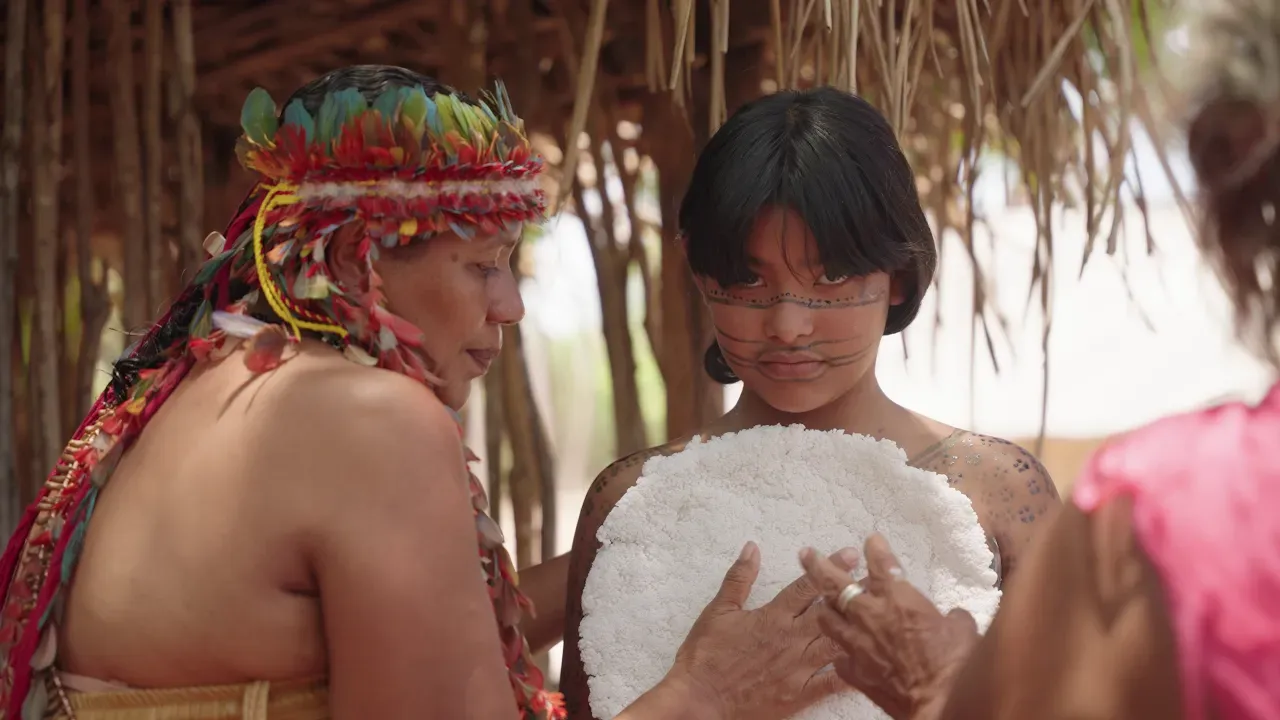
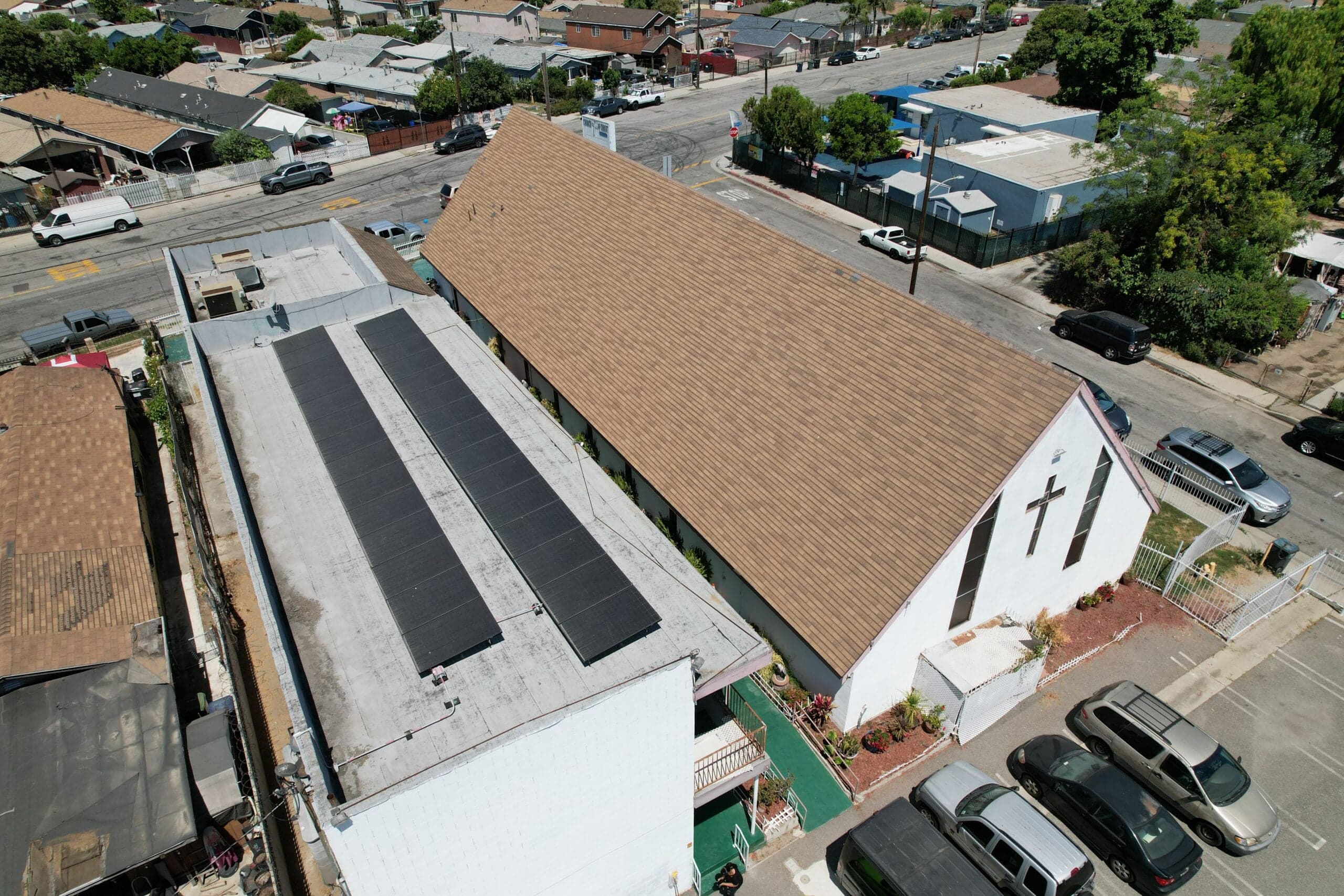
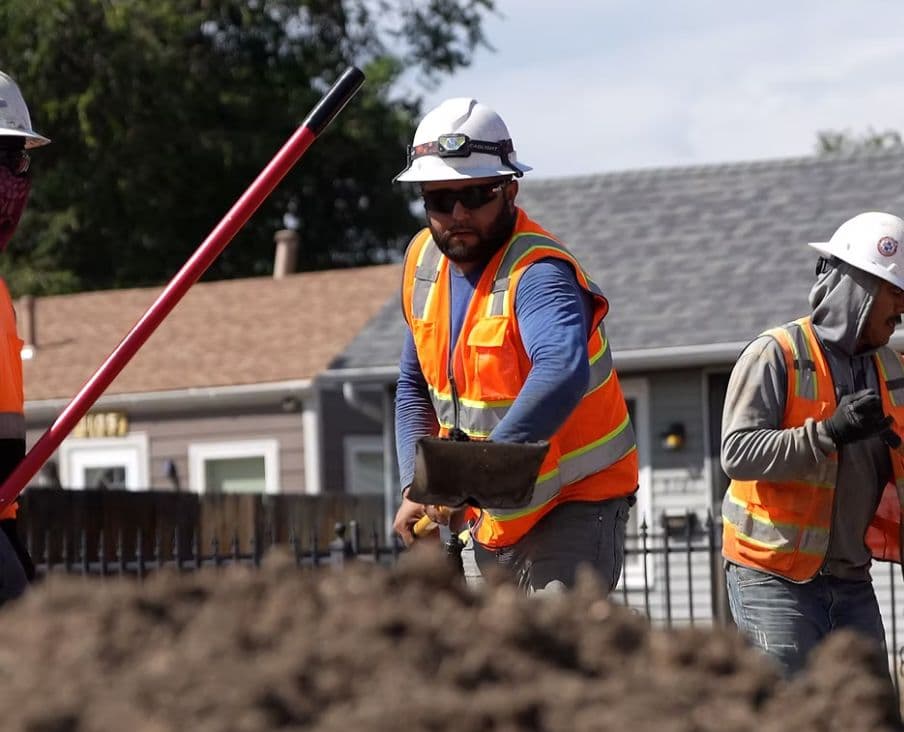 Photo: Apis & Heritage
Catalytic capital goes beyond grants.
Scale happens at the seams.
Some of the most indelible progress we supported in 2025 wasn’t grant capital. It happened when we applied an investment approach to build marketplaces that enabled communities to thrive.
The Global Energy Alliance’s $9.7 million concessional loan to one battery substation in New Delhi unlocked an estimated $5–6 billion pipeline. Apis & Heritage’s $250 million Legacy Fund II — investee of the Zero Gap Fund — is creating wealth for American workers. The Global Energy Alliance’s de-risking and early stage investment of Alina Enèji’s mesh grids in Haiti pulled in $3.5 million in follow-on financing from the World Bank, the Inter-American Development Bank, and the IDB Lab. Our financing toolkit provided a menu of options for countries and investors seeking to fund regenerative school meals programs.
Grants still matter. But the question we ask first now isn’t “what can we fund?” — it’s “what can we do so different types of capital can move?”
The challenges we are tackling inherently cut across systems and sectors. The solutions that scale are the ones intentionally designed for those seams.
We see this in our Big Bet on Regenerative School Meals, which links sustainable agriculture supply with sustained demand from school feeding programs. It’s tempting to fall into the “if you build it, they will come” trap — to focus on supply alone. But supply works only where demand exists and where there’s a durable channel connecting the two. Our catalytic role is not just to finance the production of regenerative foods, but also to de-risk the demand side — by strengthening public procurement and building reliable channels among farmers, schools, caregivers, and children.
We see it again in our Big Bet on Universal Energy Abundance. In places where electrification is paired with cold storage and agro-processing, farmers can reduce post-harvest loss, store crops longer, and sell at better prices — directly increasing incomes. The impact doesn’t come from energy access alone. It comes from linking energy to livelihoods, markets, and value chains.
And we see it in our Big Bet on Food is Medicine, which is gaining ground in 17 states across the United States, precisely because it can improve patient outcomes, lower healthcare costs, and support small farmers in the same intervention.
Designing for the seam adds complexity at the start. It’s also what makes the result strong enough to last.
.jpg&w=3840&q=75)
Download Snapshot
Check out our executive summary to explore the stories, data, and impact behind this year's report.
Stay connected.
Subscribe to our monthly newsletter to get front-row access to the stories, people, and big bets shaping a better future.