Chapter 01
Frontier Tech
Since our founding as a scientific philanthropy, The Rockefeller Foundation has held the belief that the advantages of innovation should help everyone, not just the fortunate few.
Today, it's too rare for new technology to benefit the people and places who will benefit the most. Philanthropy is uniquely positioned to change that.
We can take risks on fresh ideas, back first-of-their-kind solutions, and stay the course long enough to learn what works. When we aim at the people and places frontier tech has historically bypassed, that work can open doors and deliver results for people faster and at scale.
In 2025, we found ways for frontier tech — from developments in renewable power to AI — to open up new ways for people to work, live, and thrive. That was rarely simple, but when it worked, it was a reminder of what becomes possible when philanthropy and innovation go hand in hand.

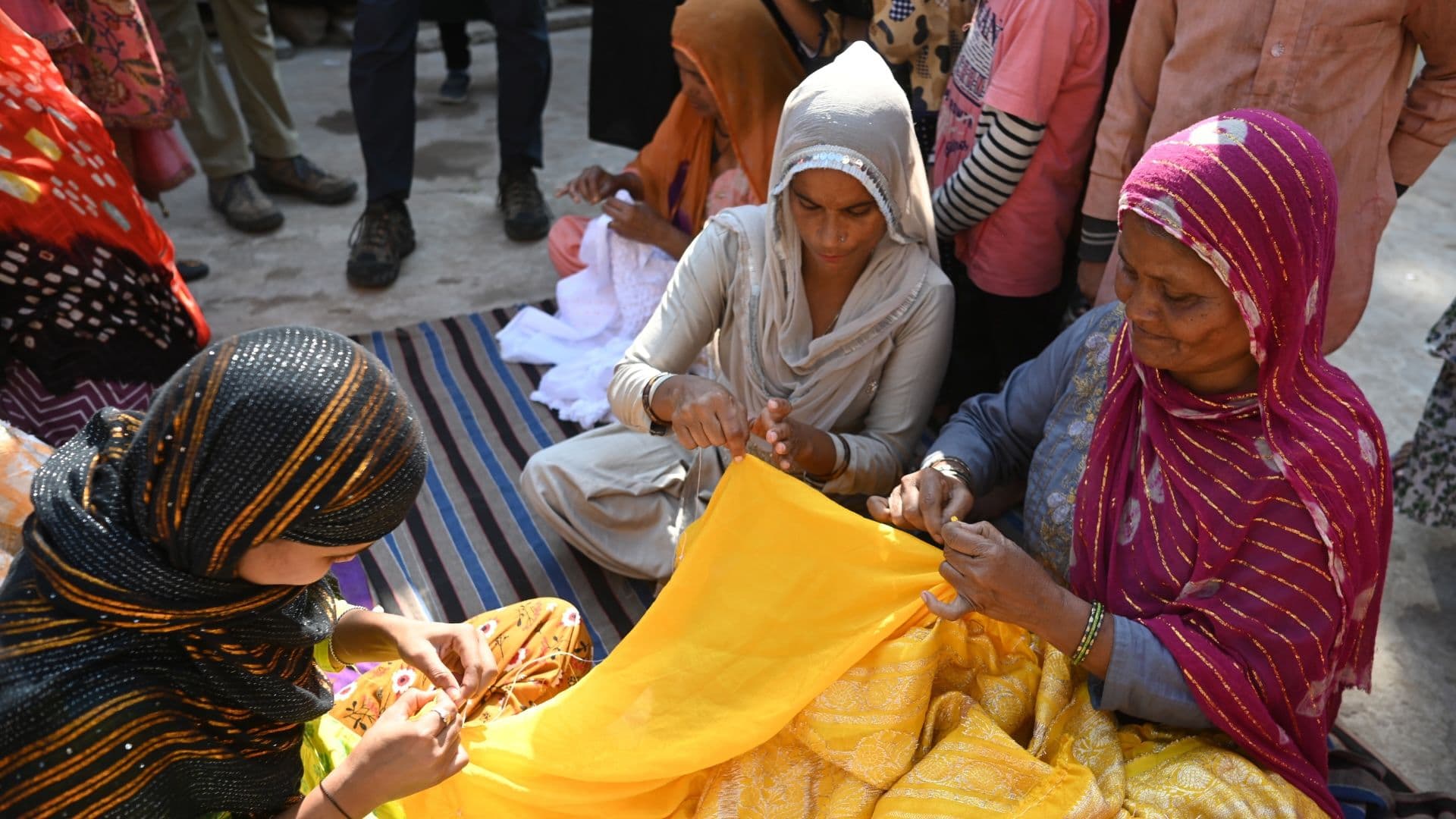
Dr. Rajiv Shah and locals in Jaipur, Rajasthan

Key Results
Global Energy Alliance for People and Planet's expected lifetime impact for all deployed and deployment-ready projects:
people with new or improved energy access

people with improved jobs and livelihoods
tonnes of carbon emissions prevented
Today, 730 million people are still living without access to electricity. The Rockefeller Foundation is making a Big Bet on Universal Energy Abundance to change that. Through our work with the Global Energy Alliance and our support for Mission 300, we are helping build a future where everyone has enough electricity to thrive.
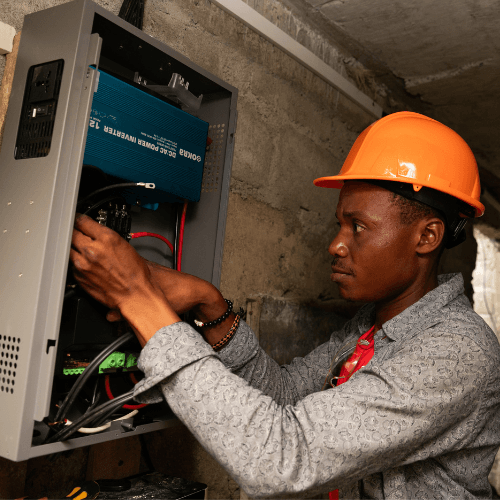
When we helped found the Global Energy Alliance in 2021, we set our sights on finding new ways for renewable energy technology to expand energy access and reliability in places where power has so far remained out of reach. Now they are accomplishing that by working in more than 30 countries to end energy poverty and accelerate economic opportunity. The same ambition led us to join the World Bank and the African Development Bank’s Mission 300 initiative, which aims to connect 300 million people across Africa to electricity by 2030.
While battery storage and renewable tech are becoming commonplace in wealthy nations, in the developing world, limited access to primary power grids and uncertain funding have hindered widespread adoption of energy technologies, both new and old. Overcoming those barriers takes imagination, initiative, and strong relationships to connect these communities to the electricity they need to participate fully in the 21st-century economy.
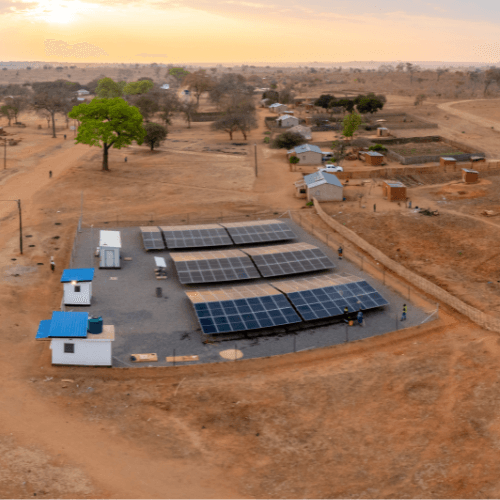
But our Big Bet isn’t just about electricity — it’s also about everything electricity leads to. It’s about supporting new businesses, kids being able to study after dark, clinics staying open, and the resulting gains in financial opportunity, education, health, and hope for a future better than the status quo. Thanks to Mission 300’s progress, and Global Energy Alliance’s work across Africa, Latin America, the Caribbean, and Asia, those dreams are within reach.
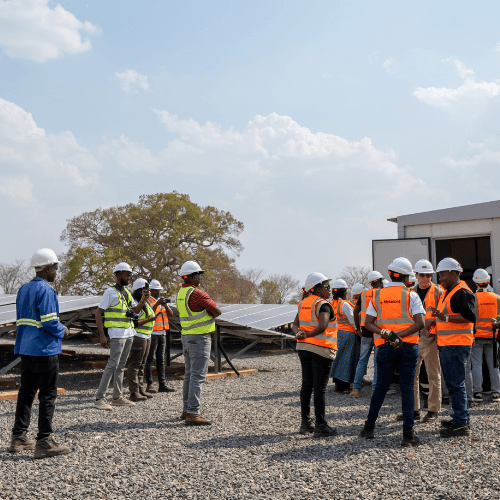

BESS is more than simply a technology advancement. It’s a cutting-edge solution that makes electricity cleaner and more reliable.
Breaking Through with Batteries
India's solar and wind capacity were expanding fast, but progress on battery storage, an essential part of any large-scale renewable energy system, had stalled. The problem was implementing them at scale was still seen as too risky an investment.
The Global Energy Alliance solved this problem by working with local partners to provide a $9.7 million concessional loan to kickstart India's first standalone utility-scale battery energy storage system.
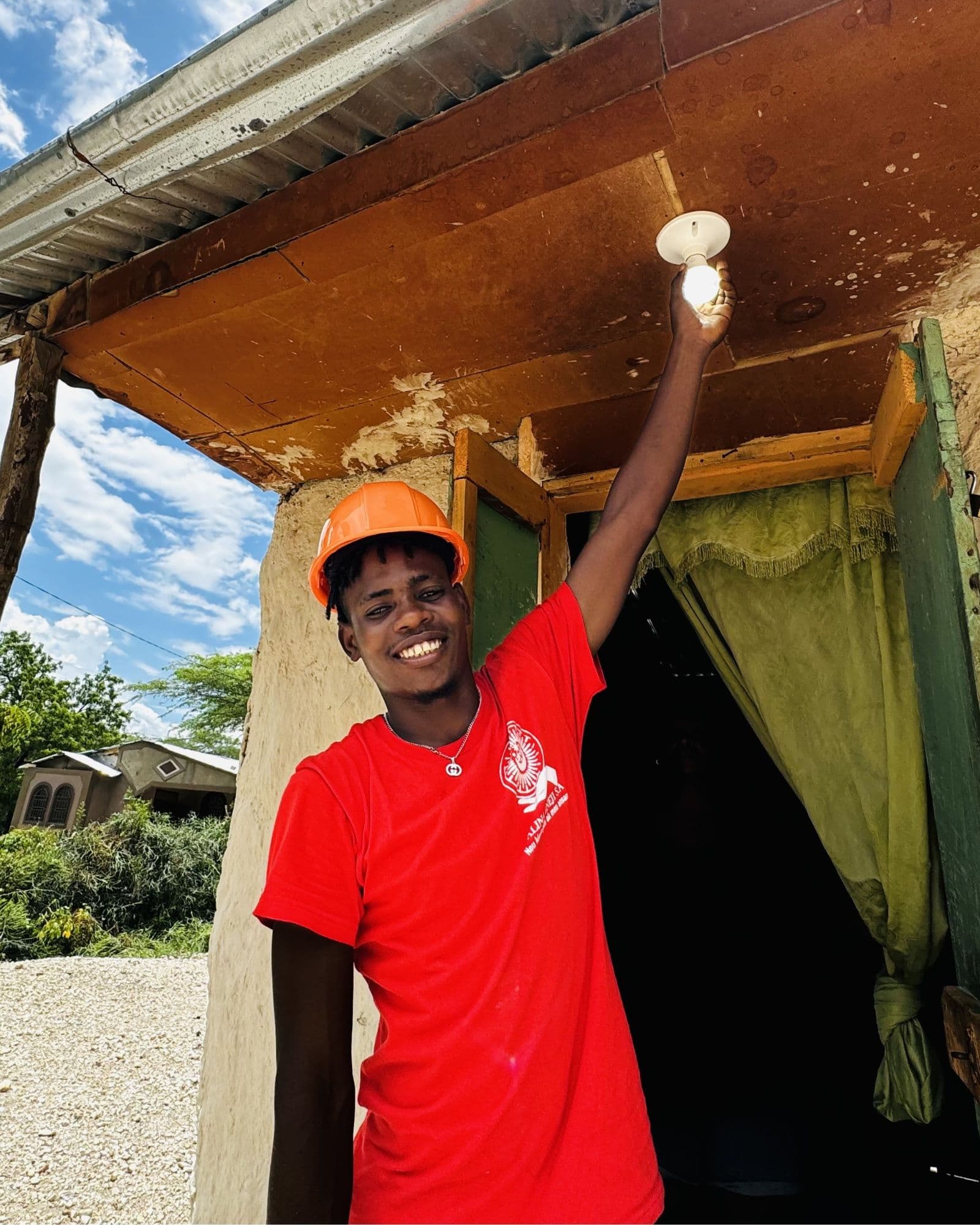
Turning the Lights on in Haiti
As civil conflict in Haiti intensified last year, millions were left in the dark when the country's central grid faltered. As people searched for alternatives, solar mesh grids offered an affordable way to keep the lights on.
Haitian-led startup Alina Enèji, with support from the Global Energy Alliance and the Off-Grid Electricity Fund, has already connected 21,000 people to cheaper, more reliable power.
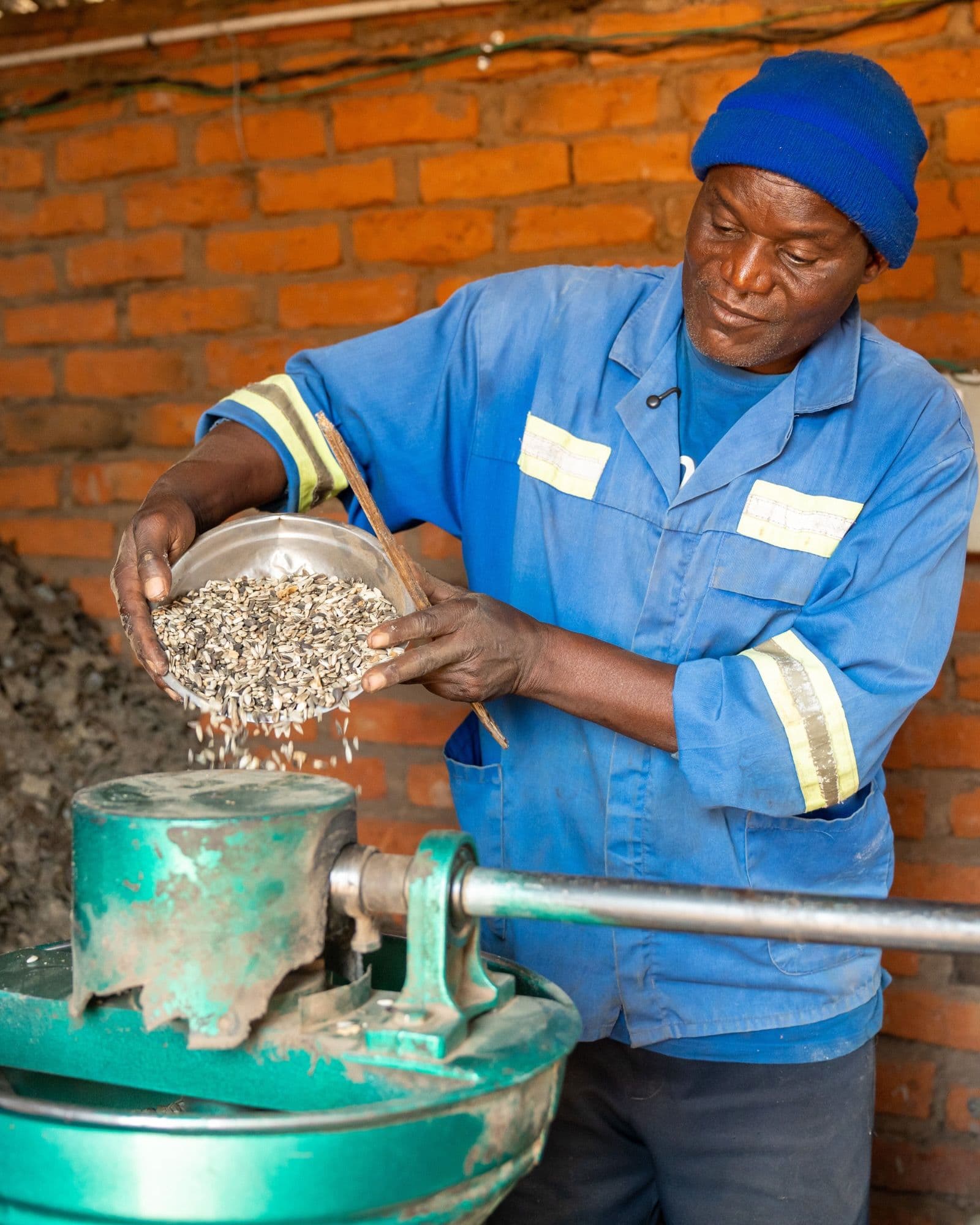
How to Empower 300 Million People
Mission 300 is an ambitious initiative of the World Bank, African Development Bank, Global Energy Alliance, Sustainable Energy for All, and The Rockefeller Foundation to bring electricity to 300 million people across Africa by 2030.
Almost 600 million of the world's 730 million people living without electricity live in Africa. Alongside our partners, we have already connected over 44 million and supported commitments from 30 countries to National Energy Compacts.
There is no shortage of new technology with the potential to make the world a better place, but we still see too many examples of it being used to benefit the few at the expense of the many.
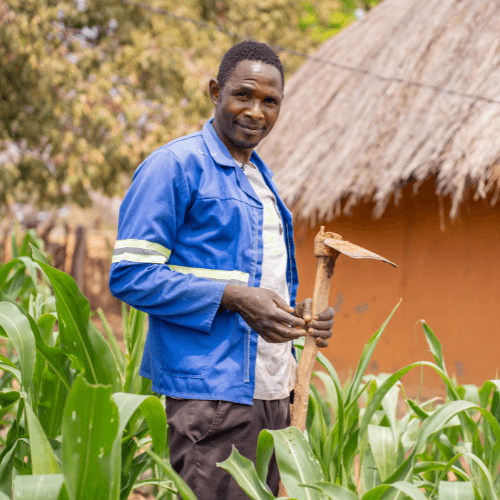
We worked to change that in 2025 — betting big on universal energy abundance, backing AI tools that help farmers navigate the challenges of a changing planet, convening partners at our Bellagio Center to integrate modern tech into the global food system, and looking at underutilized technologies, like nuclear power, that can play an important role in powering the world.
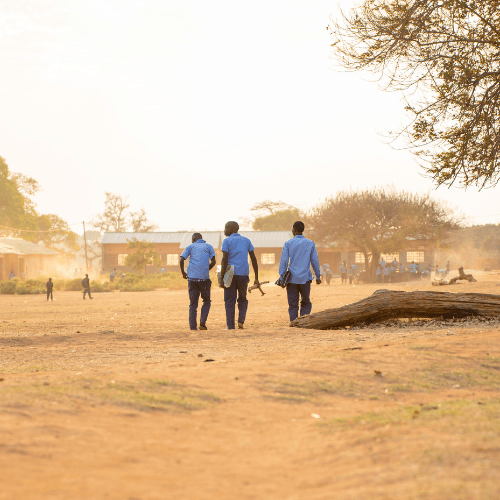
We backed frontier tech across the spectrum in 2025, but they all had one thing in common: they met people where they were, empowering them to better work, earn, learn, and thrive.
More Frontier Tech Success Stories
View All Stories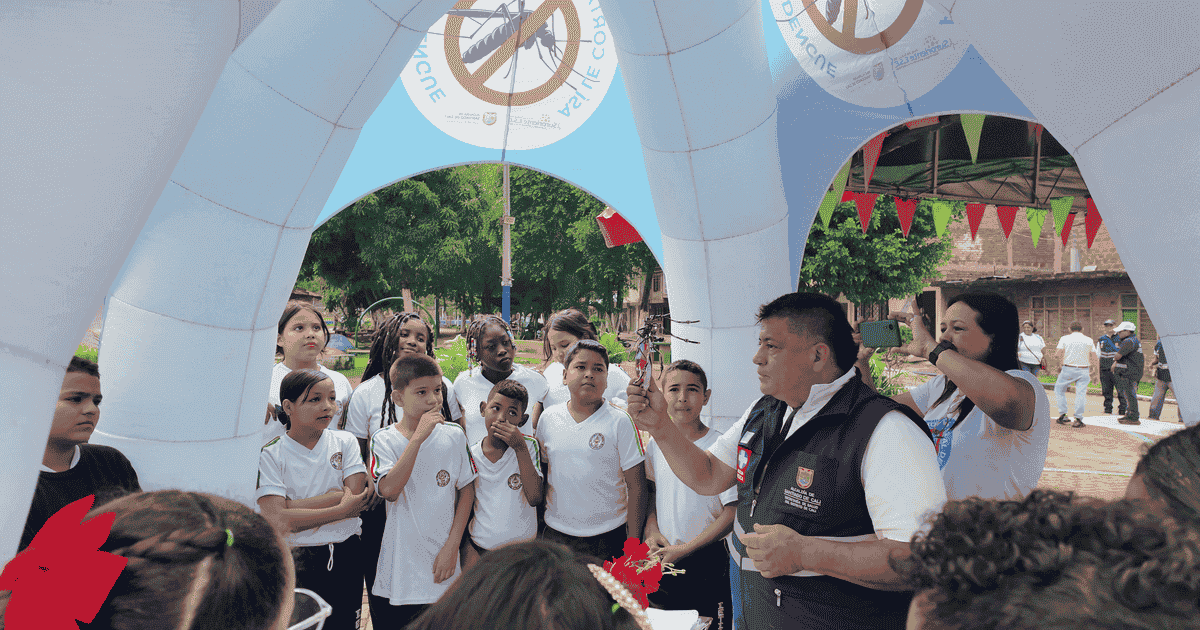

Reimagine before you reinvent.
Broker new connections, not new AI technology.
The Foundation has long championed the belief that cutting-edge technology can unlock transformative impact for some of the world’s hardest-to-reach communities. But getting results with innovations doesn’t always require inventing something new.
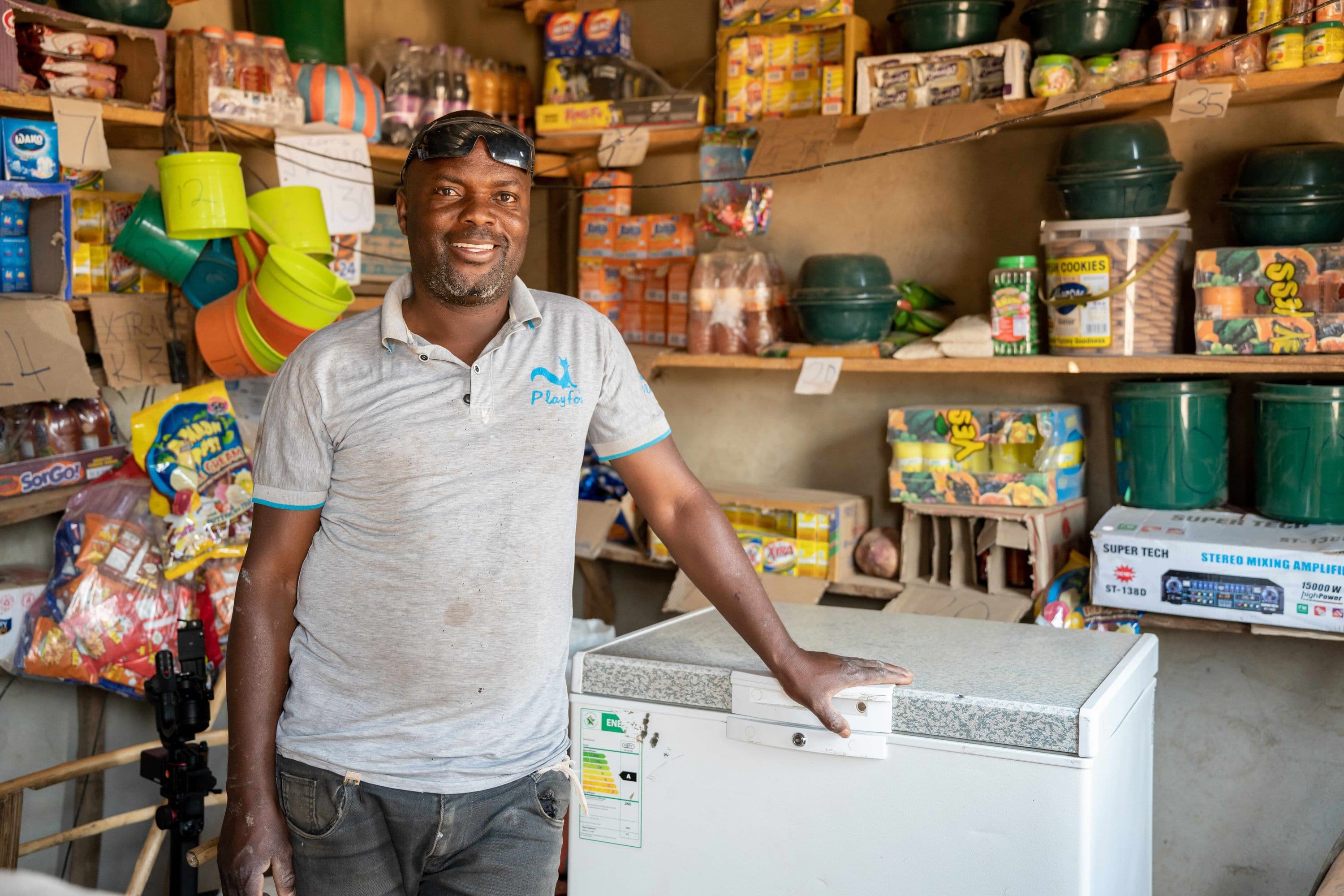
In Haiti, the Global Energy Alliance reimagined solar home technology by linking individual rooftop units into a mesh grid that’s quicker to deploy and costs 40% less than a typical mini-grid — connecting 21,000 people across the country. In Nigeria, the Alliance combined solar panels, batteries, solar appliances, and grid energy to create the country’s first interconnected mini-grid system, connecting 30,000 people to electricity, creating or improving nearly 14,000 jobs, and unlocking more than $287 million to scale the approach nationally. And the Periodic Table of Food Initiative pointed decades-old mass spectrometry at a new question, building the world’s first standardized approach for food analysis that allows a global network of laboratories to map the 95% of biomolecules that don’t appear on food labels.
The most powerful innovations aren’t always inventions. Reimagining how to deploy tried-and-true technologies can also open new frontiers.
As promising AI emerges across the globe, the question is no longer whether the technology will work, but who will benefit. To avoid a future of “AI enclaves,” where wealthy communities pull farther away from the rest of the world, we have to deliver AI-powered tools to the people who need them most.
In 2025, many of the most powerful AI applications we backed had one thing in common: they weren’t built in Silicon Valley to be exported. They were built in the places they served, with local partners that already understood them.
In Cali, Universidad Icesi, Universidad del Valle, and the city’s Public Health Secretariat built Dengue.AI, which now predicts outbreaks 3 weeks in advance with 93% accuracy. In Cape Town, Turn.io’s civic platform speaks English, Afrikaans, and Xhosa because residents do. In India, Kenya, and Brazil, FarmerChat advises farmers in their own languages, on platforms they already use.
Our role isn’t to help invent new AI technology. It’s to broker the connections that put cutting-edge AI tools in local hands.

.jpg&w=3840&q=75)
Download Snapshot
Check out our executive summary to explore the stories, data, and impact behind this year's report.
Stay connected.
Subscribe to our monthly newsletter to get front-row access to the stories, people, and big bets shaping a better future.