Chapter 03
Decisive Data
Having the right data at the right time can make all the difference.
The success of a big bet often hinges on it. Catching the signs of an early outbreak can be the difference between lives saved and lives lost. Building the research base for a new health intervention can be the difference between a promising idea and a policy that reaches millions. And data doesn't just support our bets — it's how we know whether they're working, and what it will take to scale them.
That belief runs through everything The Rockefeller Foundation does. In a world where competing opinions can drown out facts, good evidence has a unique power — it reveals what's actually working, brings unlikely partners to agreement, and sometimes points toward a solution nobody saw coming. In 2025, we invested in exactly that kind of evidence and put it to work for people.

.jpg%3Fv%3D2026-06-11T20%253A14%253A01.154Z&w=3840&q=75)
Key Results
patients have received Food is Medicine benefits from Foundation grantees and partners

states supported with Food is Medicine Medicaid infrastructure, research, and education
Chronic diseases like diabetes, obesity, and heart disease affect an estimated 133 million Americans, contribute to 500,000 deaths annually, and cost over $1.1 trillion in health-related costs each year. We know food is part of the problem. But what if we made it part of the cure?
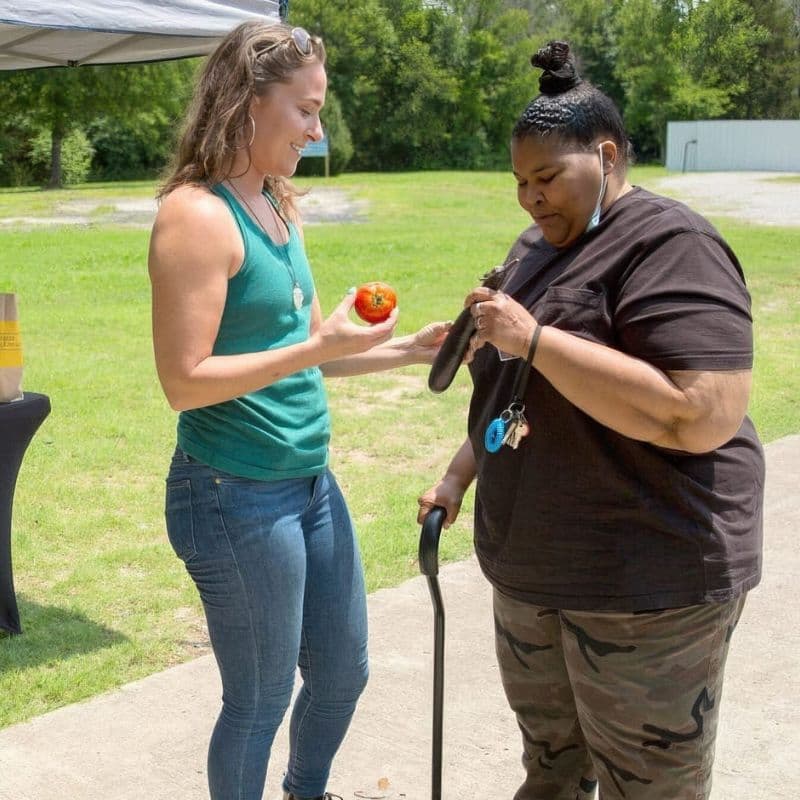
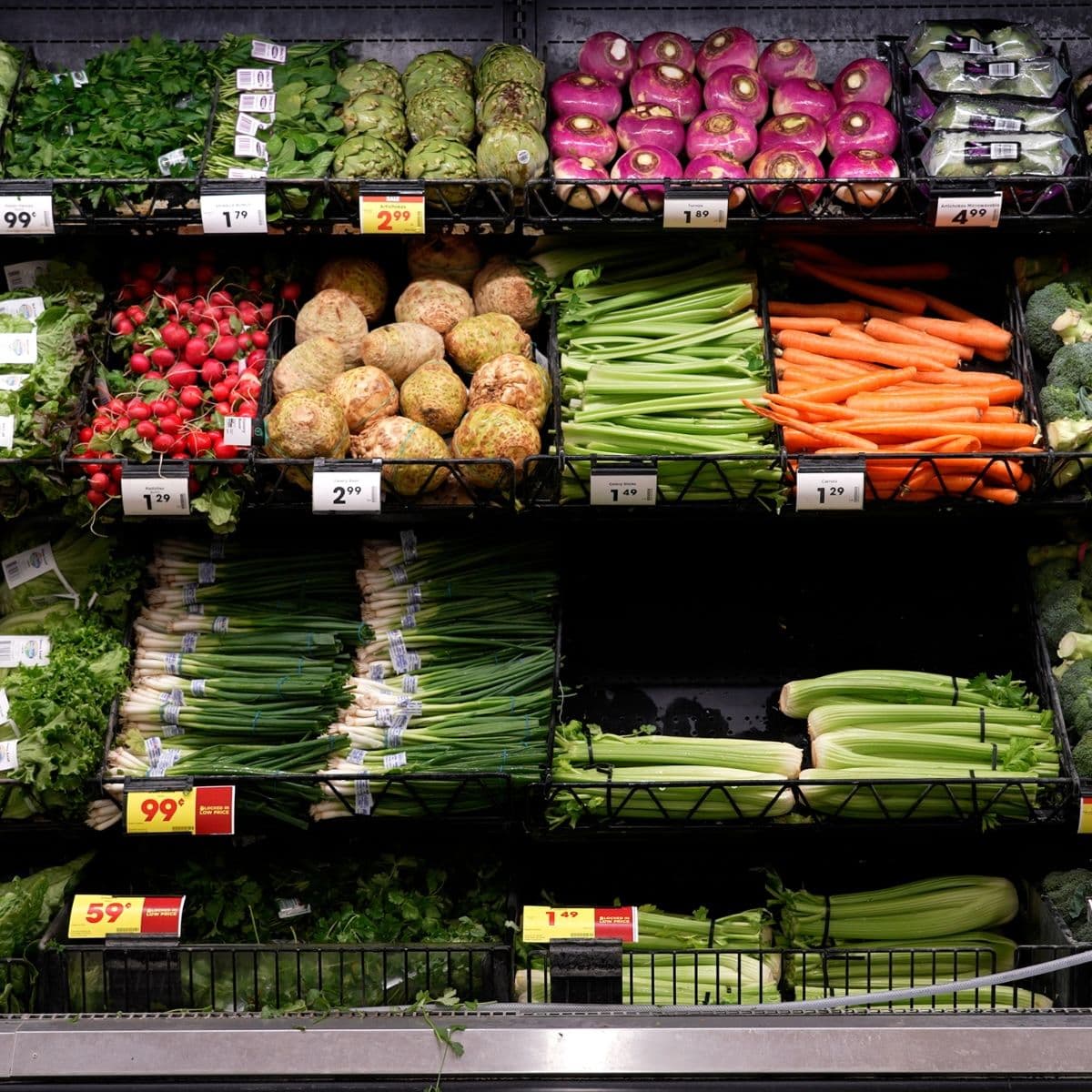
Food is Medicine (FIM) programs are part of The Rockefeller Foundation’s Big Bet on Good Food. The data increasingly shows that high-quality FIM programs improve health and help ease the strain on Americans’ wallets from expensive healthcare interventions. In other words, the idea is to treat healthy foods as medical interventions — an alternative to medication or surgery. But the FIM approach goes far beyond telling people to just eat better. By integrating nutritional support and food provision directly into the healthcare system — providing medically tailored meals, medically tailored groceries, and produce prescriptions to patients with chronic diseases — it makes healthy eating both more affordable and accessible.
.jpg&w=3840&q=75)
Recent research shows how the benefits of FIM can go even further. We’re learning more about how FIM programs can also boost American livelihoods by supporting farmers, local economies, and jobs. Our economic modeling projects that if FIM were scaled nationwide and prioritized local partners, it could create $45 billion in local economic growth, create over 316,000 new jobs, and direct more than $5.6 billion to small and mid-sized farmers.
The case for scaling Food is Medicine nationwide has never been clearer, and alongside our partners — including national organizations like the American Heart Association and local providers like Community Servings — it becomes stronger every day.

.jpg%3Fv%3D2026-06-11T20%253A17%253A15.081Z&w=3840&q=75)
Over the next three to five years, the health system will no longer have just medications and operations in its toolbox. They also will have access to healthy food as a strategy to help people stay healthy.
How Data is Making the Case for Food in Healthcare
The American Heart Association’s Health Care by Food initiative is generating rigorous evidence that health insurers and policy makers can use to inform coverage of Food is Medicine programs.
With support from The Rockefeller Foundation, the initiative has supported 28 studies across the country — from California to Florida — to generate evidence on which Food is Medicine programs are most effective and how they can be designed to maximize health improvements for patients with different conditions.
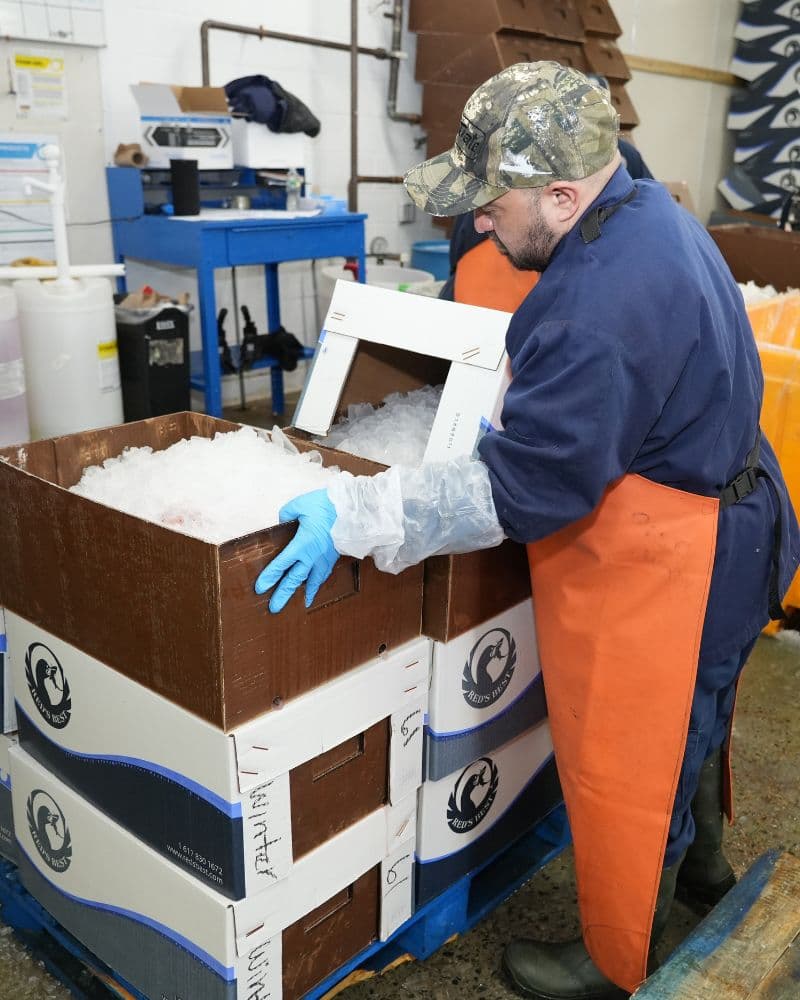
In New England, Food is the Cure
Community Servings provides over a million medically tailored, nutritious, homemade meals every year to chronically and critically ill individuals in Massachusetts and Rhode Island.
The organization also has a data arm: the AMPL Institute — devoted to research, policy, and provider education to share what they are learning about the health and economic benefits of their programs and make the case for the transformative potential of Food is Medicine interventions.
In 2025, we saw how following the data can point us in directions we might never have found on our own — and unite people around solutions worth betting on.
We saw that when we convened leaders from thirteen countries around a shared vision for scaling Food is Medicine globally, turning promising research into the foundation for a worldwide movement. We saw it when community health workers used local insights to shape outbreak responses in real time, proving how powerful data becomes in the hands of people closest to the problem. And we are continuing to see it in the way the world is rallying around AI to discover data-driven solutions to longstanding challenges.
Good data doesn't just tell you where you are. In 2025, it helped The Rockefeller Foundation and our partners see where we can go.
More Decisive Data Success Stories
View All Stories-2.png&w=3840&q=75) Photo: The Global Fund/Sylvain Cherkaoui/Panos
Photo: The Global Fund/Sylvain Cherkaoui/Panos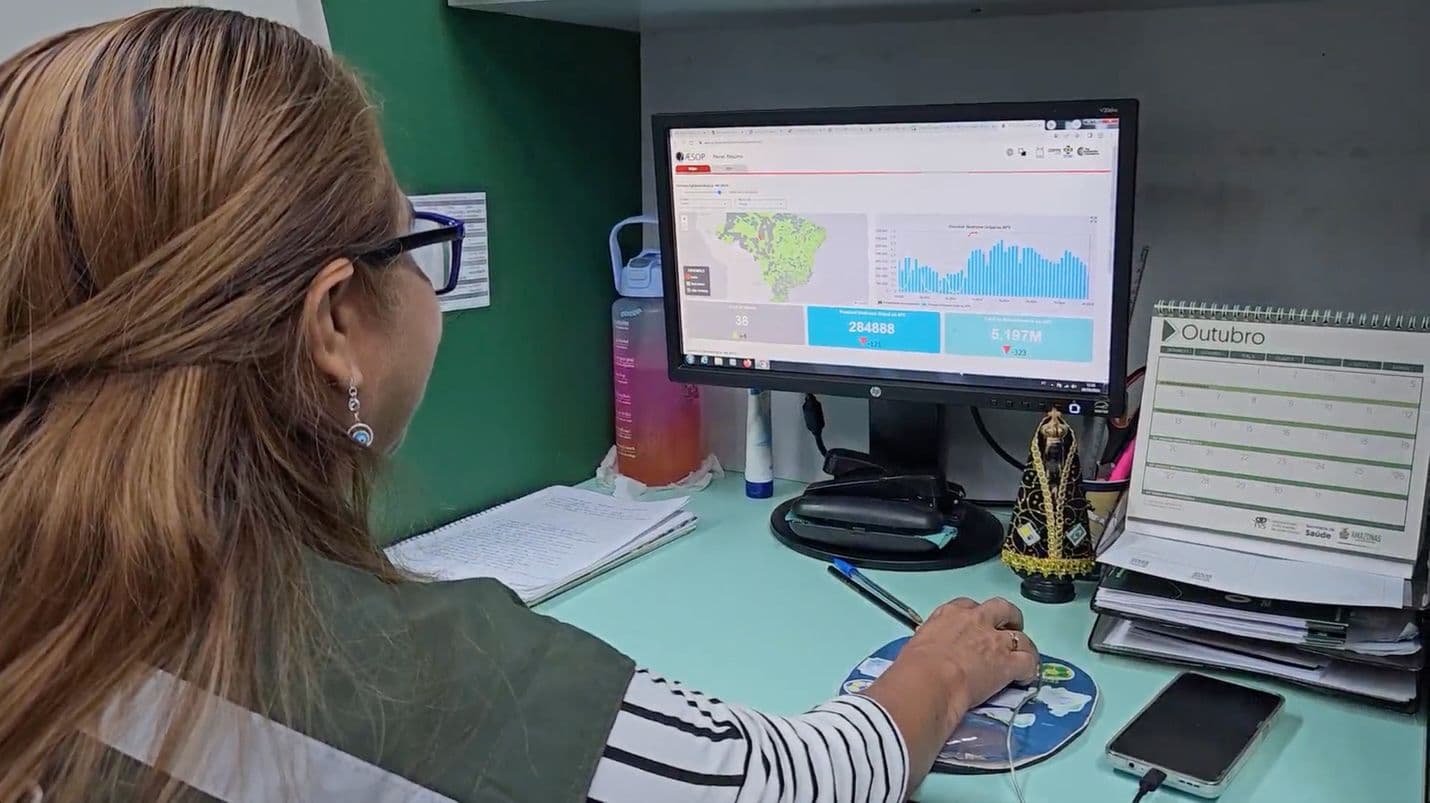 Photo: ÆSOP/Fiocruz
Scientific evidence is still one of the Foundation’s sharpest tools.
The data that changes everything is usually the data nobody thought to collect.
The Foundation has long been a champion of foundational research — in public health, agricultural science, climate resilience, and more. In 2025, with research budgets being cut at the moment they matter most, we returned to that posture with new urgency.

Our partnership with the American Heart Association’s Health Care by Food initiative is generating 28 studies across the country, providing the robust evidence that health insurers, Medicaid programs, and state policymakers need to act. Stanford University research we supported shows that Regenerative School Meals deliver a triple opportunity across child nutrition, climate-resilient agriculture, and rural economies, attracting investors from other sectors. Backing that kind of evidence takes patience and sustained funding. Done well, it pays dividends — accelerating the adoption and scale of what works.
Funding science was the Foundation’s first idea in 1913. In 2025, it became one of our sharpest tools again.
Conventional data tells you what's already visible. It confirms what you suspected, measures what you planned for, and often arrives just after the moment you needed it. Our work in 2025 pushed us toward something harder and more valuable: the data that sits outside official systems, in places traditional approaches don't look.
.jpg&w=3840&q=75)
In Brazil, ÆSOP doesn't just monitor health records — it integrates them with pharmacy sales, social media activity, and environmental patterns to detect outbreaks before the first patient presents to a clinic. Health in Harmony is also looking to Indigenous dialogues, while bioacoustics are surfacing ecological signals that satellite imagery alone would miss. These aren't supplementary data sources. They're often the earliest and most accurate warning systems we have.
What unites them is a simple principle: the people and places closest to a problem hold intelligence that centralized systems rarely capture — and rarely ask for. When we design for that intelligence from the start, and triangulate signals that conventional data sets miss, like pharmacy sales, school absences, climate patterns, mosquito populations, local clinic reports, and social media chatter, we see sooner. We give decision makers a head start.
The question we're now asking is not just what data we already have, but whose knowledge we're missing, and what would change if we had it?
.jpg&w=3840&q=75)
Download Snapshot
Check out our executive summary to explore the stories, data, and impact behind this year's report.
Stay connected.
Subscribe to our monthly newsletter to get front-row access to the stories, people, and big bets shaping a better future.
.jpg&w=3840&q=75)