Breaking Through with Batteries
.jpg%3Fv%3D2026-06-11T19%253A30%253A12.719Z&w=3840&q=75)
India's renewable energy growth had run headlong into a stubborn problem. Solar and wind capacity were expanding fast, but progress on battery storage, an essential part of any large-scale renewable energy system, had stalled. The issue wasn't the technology itself — everyone knew large battery systems were the next piece of the puzzle — it was the technology's financial viability. The industry still needed solid evidence that battery storage was a bankable solution.
Global Energy Alliance saw that as a solvable problem. Working with local partners, they stepped in as a first mover, providing a $9.7 million concessional loan to kick-start India's first standalone utility-scale battery energy storage system. Today, the Kilokari substation in New Delhi supplies reliable power to more than 100,000 people, at prices approximately 50% lower than the national benchmark, and provides critical backup power to essential services, including a local hospital and police station. The battery energy storage system is estimated to prevent 1.8 million tonnes of carbon emissions — the equivalent of taking 20,000 cars off the road.
The Kilokari installment has become a template for success. By proving that battery storage is deployable, financeable, and cost-competitive, utilities and governments have the confidence to invest, with the pipeline in India alone showing an estimated $5-6 billion in anticipated investment. Globally, more than 8,000 megawatts of battery storage are in development, including in Malawi, Vietnam, and Barbados.
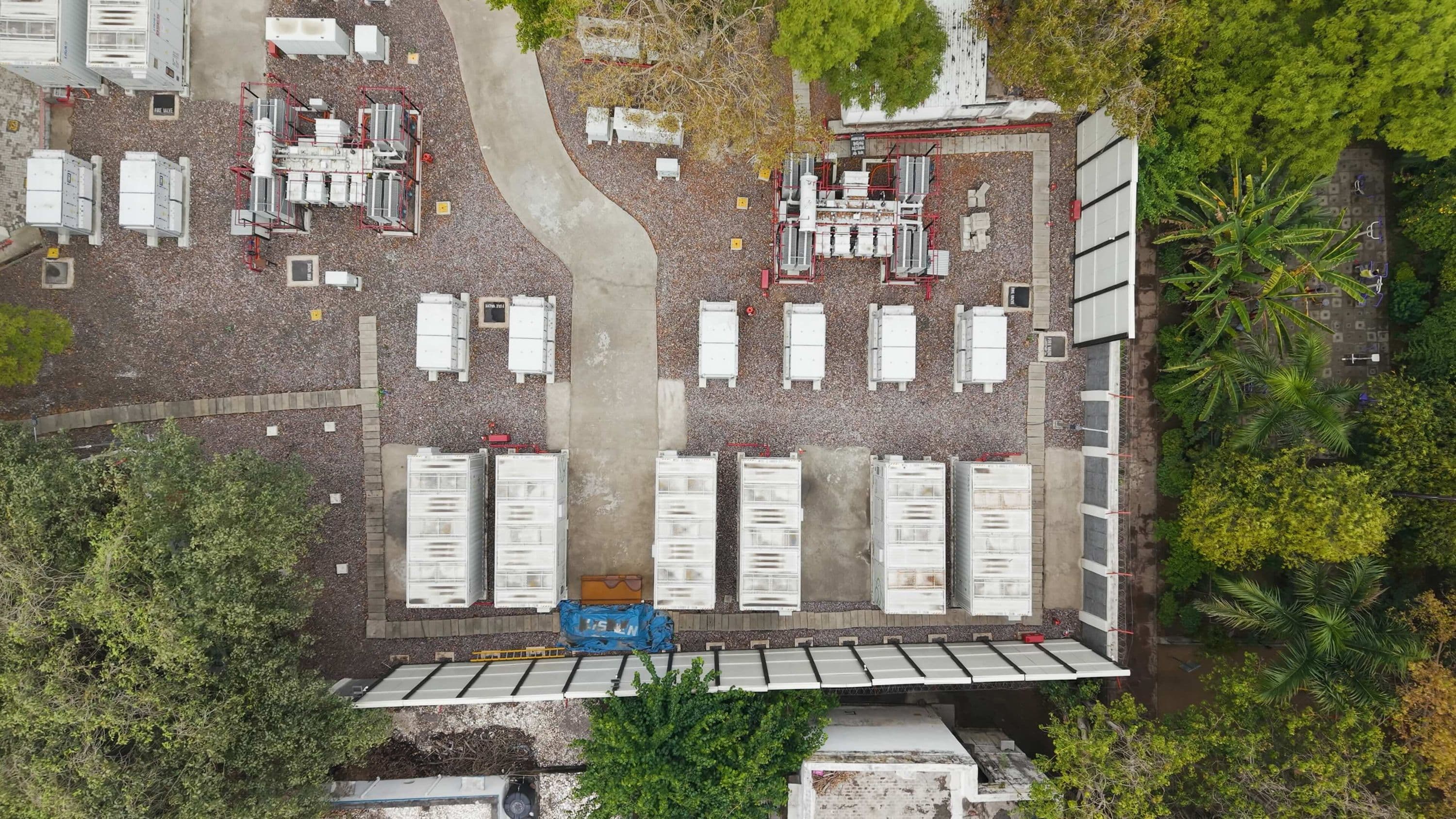
Kilokari site, New Delhi, India
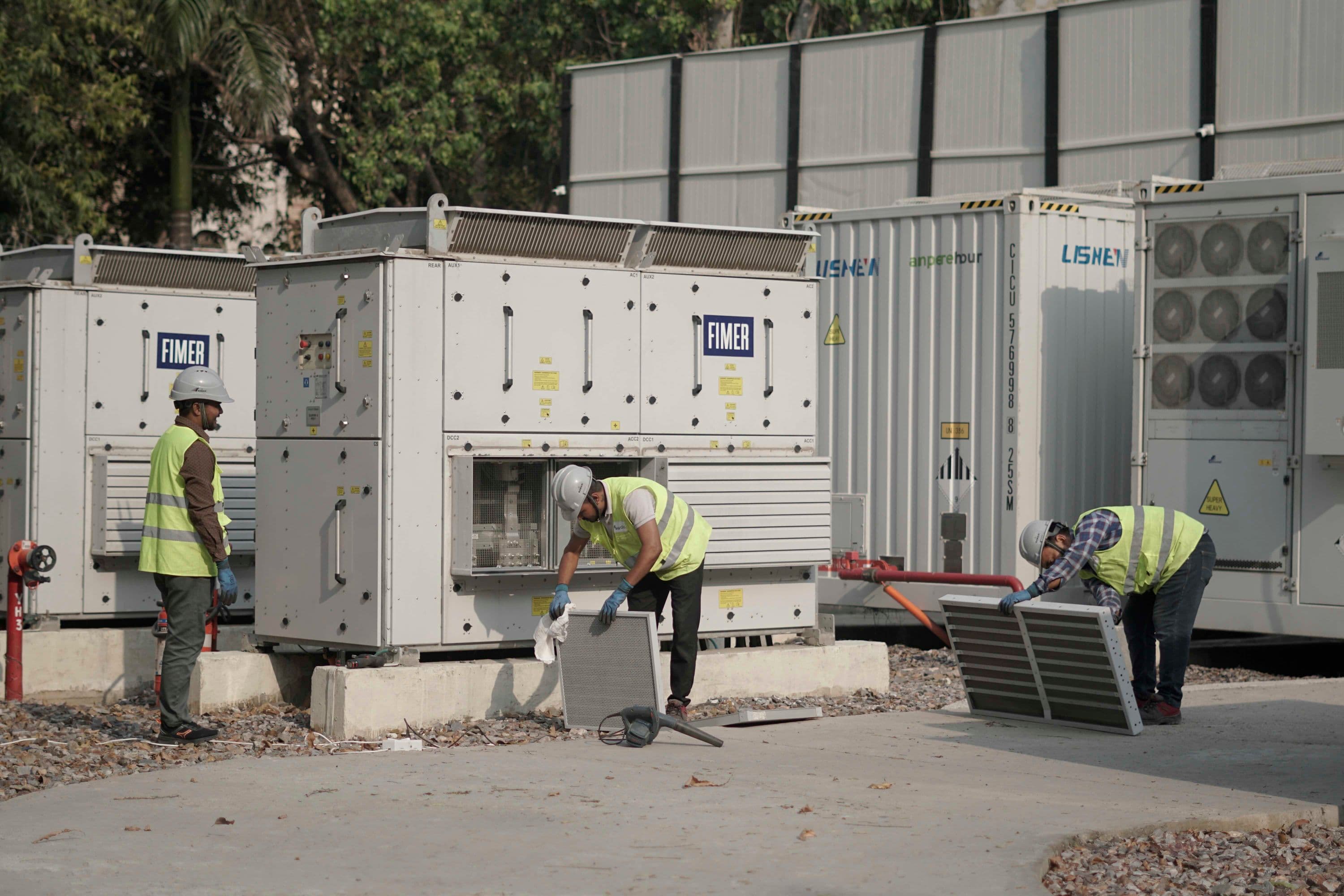
Workers at Kilokari site, New Delhi, India
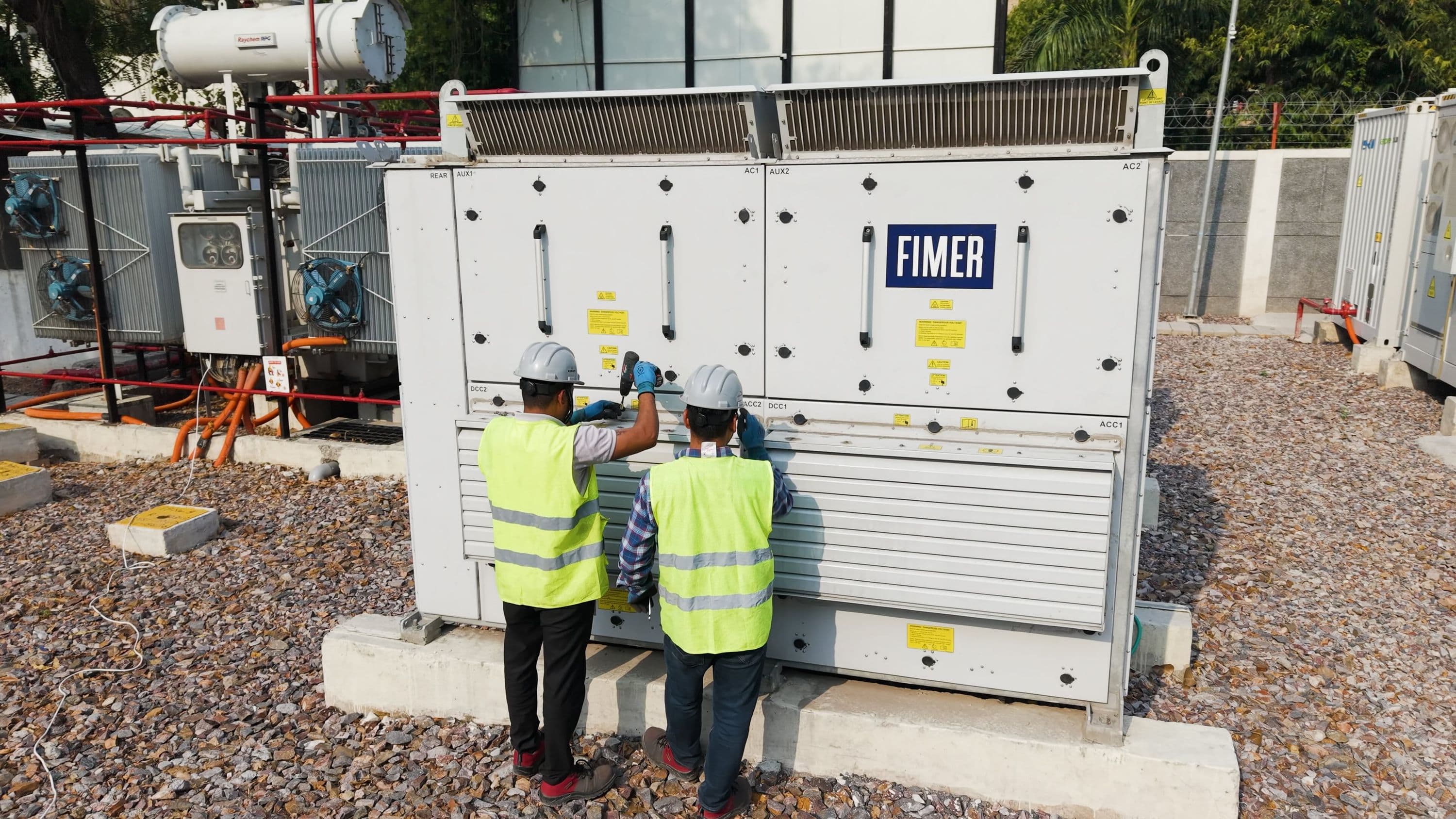
Workers at Kilokari site, New Delhi, India
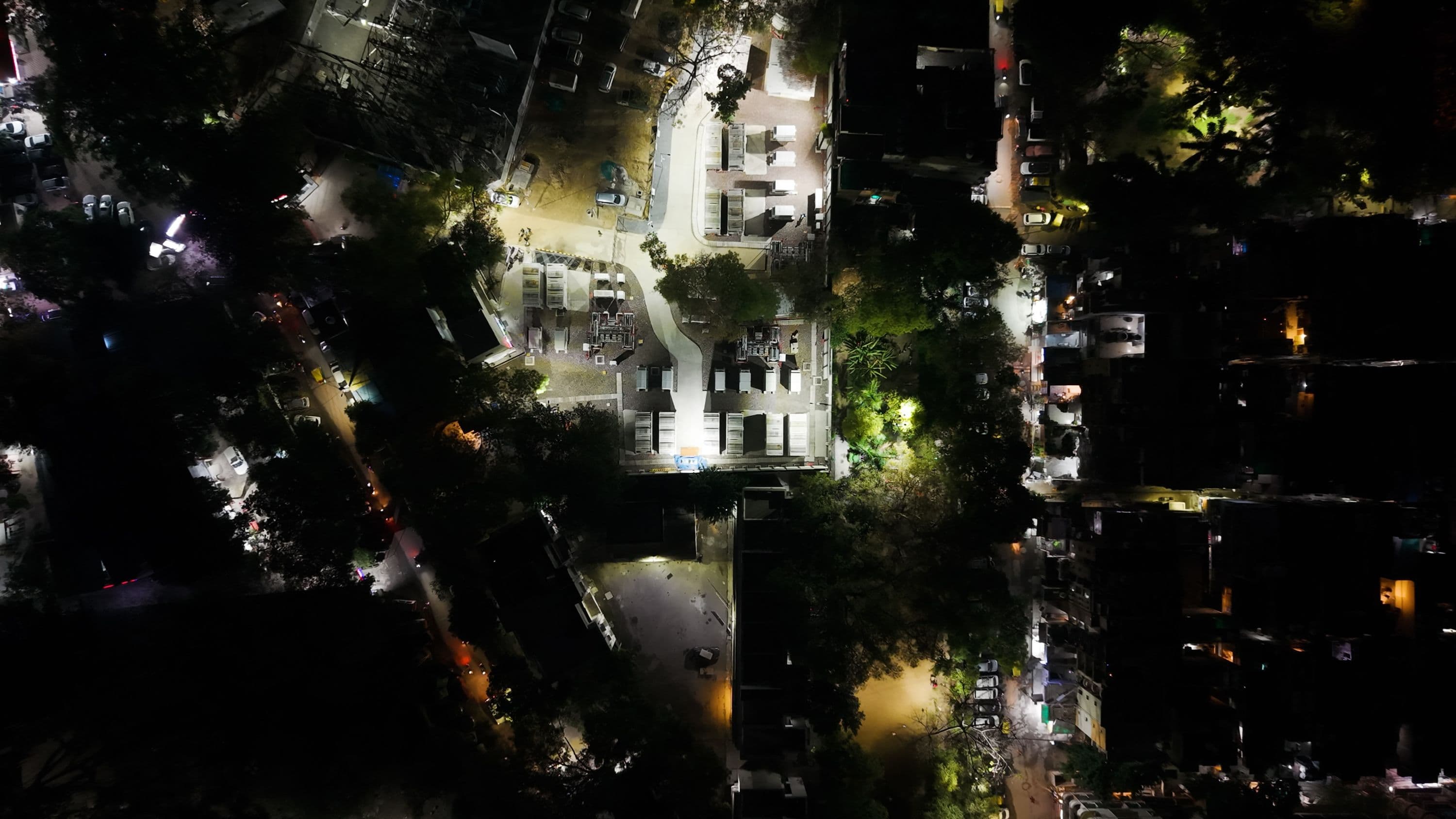
Kilokari site at night, New Delhi, India
Kilokari site, New Delhi, India
Workers at Kilokari site, New Delhi, India
Workers at Kilokari site, New Delhi, India
Kilokari site at night, New Delhi, India

BESS is more than simply a technology advancement. It’s a cutting-edge solution that makes electricity cleaner and more reliable, affordable and available when people actually need it, especially in fast-growing, resource constrained markets.
