Recipe for a Holistic Food System

Through our partnership with the World Food Programme, we are helping prioritize nutritious, locally sourced, and sustainably produced foods while supporting small farms and regional economies.
The partnership targets six countries — Benin, Burundi, Ghana, Honduras, India, and Rwanda — and empowers them to sustain good food programs on their own. Here’s the approach we’ve seen work:
- Connect schools directly to local food systems — this prioritizes fortified whole grains and diverse proteins in the meals and gives farmers the capacity-building power to meet demand.
- Identify barriers by assessing meals, supply chain gaps, and cultural factors that could undermine quality, delivery, and acceptance.
- Back evidence-based solutions by educating policymakers on the long-term nutritional and economic benefits of feeding children good food.
- Build tools countries can use, so governments have the power to prioritize nutritious foods.
The results show up where they matter most: in classrooms and communities. In Honduras, teachers report that students eating biofortified beans are showing up to class more consistently, participating more actively, and getting sick less often; and farmers report feeling more secure in the steady demand from within their community. We’ll continue building on these lessons and partnerships through our future Regenerative School Meal investments.
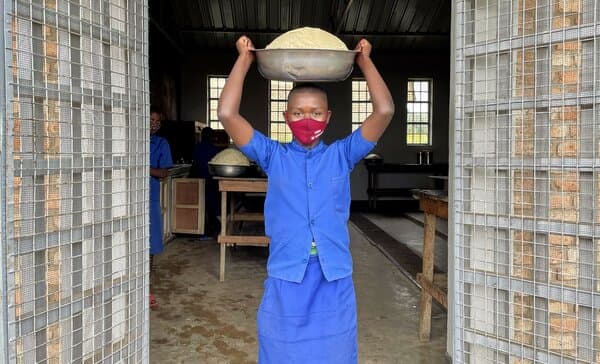 Photo: WFP/Emily Fredenberg and Fredrik Lerneryd
 Photo: WFP/Emily Fredenberg and Fredrik LernerydPhoto: WFP/Emily Fredenberg and Fredrik LernerydPhoto: WFP/Emily Fredenberg and Fredrik Lerneryd
.jpg%3Fv%3D2026-06-11T19%253A14%253A38.922Z&w=3840&q=75)
