Stopping Outbreaks with New Laboratory Networks
-2.png%3Fv%3D2026-05-18T18%253A34%253A56.259Z&w=3840&q=75)
When disease outbreaks cross borders, every hour counts. Those crucial early days are when fast-working laboratory networks and real-time data systems can give scientists and frontline health workers the edge they need to stop outbreaks before they become epidemics.
Through a funding model developed by the Global Fund and supported by The Rockefeller Foundation, Abbott Foundation, and IQVIA, countries used Global Fund and domestic resources to build lab infrastructure, human capacity, and surveillance networks. That investment across West Africa and the Asia-Pacific equipped laboratory professionals in over 20 countries with training, tools, and regional partnerships to cross-coordinate, spot disease patterns early, and respond faster than ever.
The results speak for themselves: In the Gambia, the system flagged suspected yellow fever cases in time to prevent an outbreak; in Mauritania and Senegal, it caught Rift Valley Fever outbreaks. And in the Asia-Pacific, the network enabled specialists across the region to detect and quickly stop outbreaks of dengue, avian influenza, and other emerging threats.
These results show what's possible when regional networks are empowered to coordinate, share knowledge, and lead their own responses. The Rockefeller Foundation is proud to help advance global health sovereignty at a moment when global health systems are under unprecedented strain. Through our Build the Shared Future Initiative and our support for the Accra Reset movement in Africa, we work with country leaders who are strengthening health systems to connect everyone to the health care they deserve.
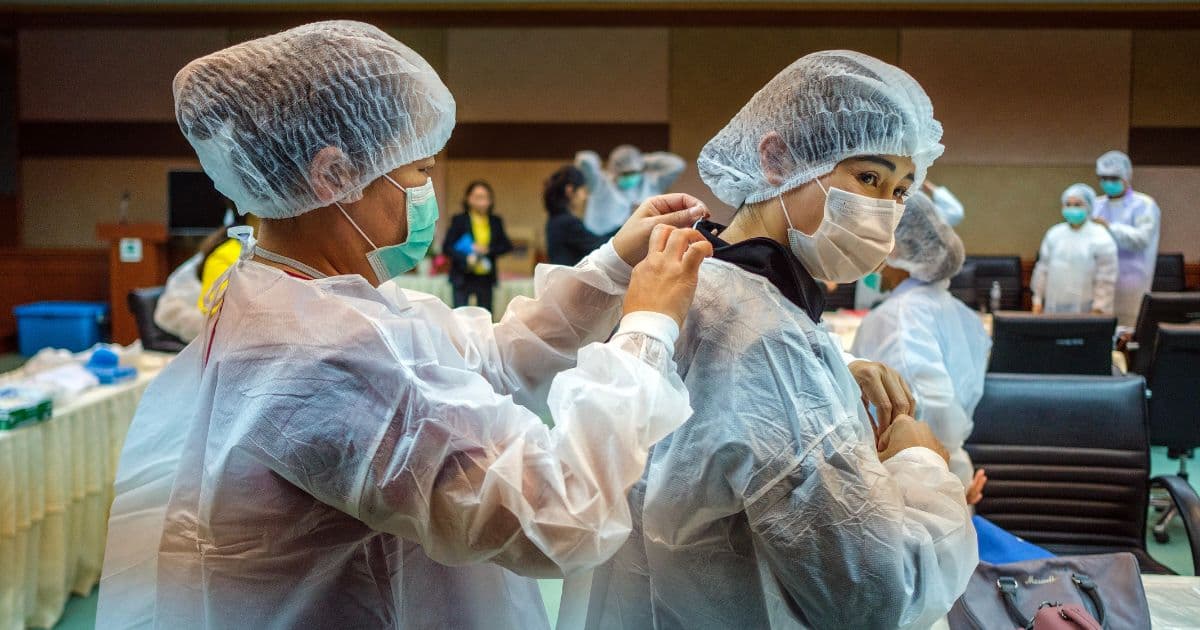
Participants practice the correct way to wear PPE during the Biosafety and Biosecurity and Biological Waste Workshop
.jpg&w=3840&q=75)
Lab technicians test samples at the Institute Pasteur in Dakar, Senegal
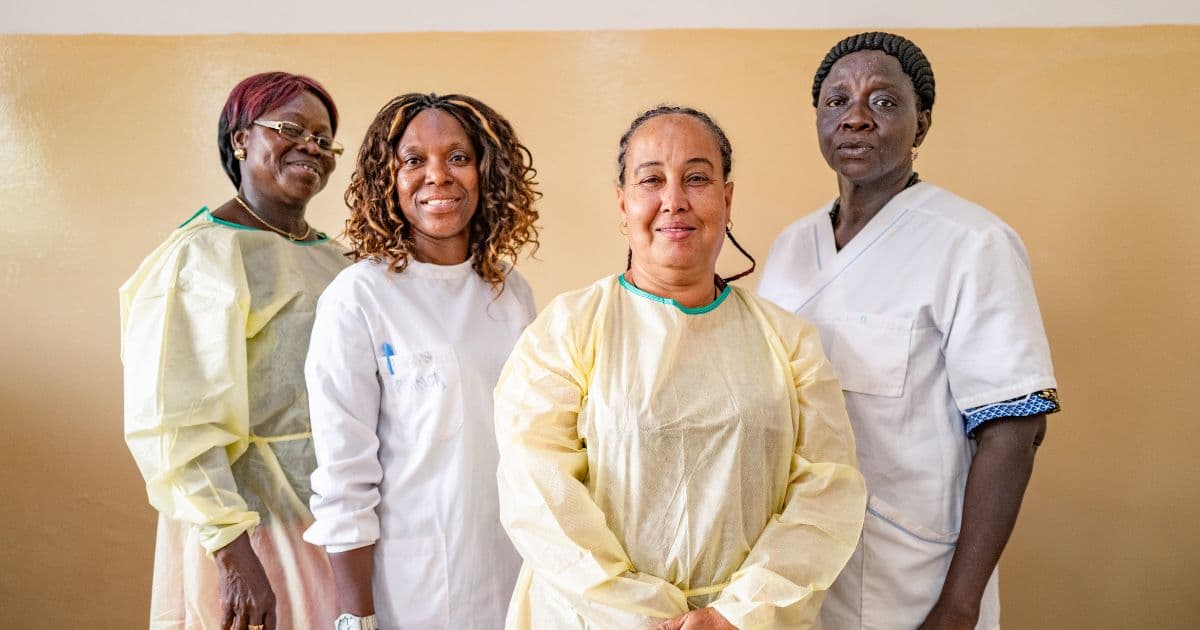
Lab technicians pose in the HIV laboratory
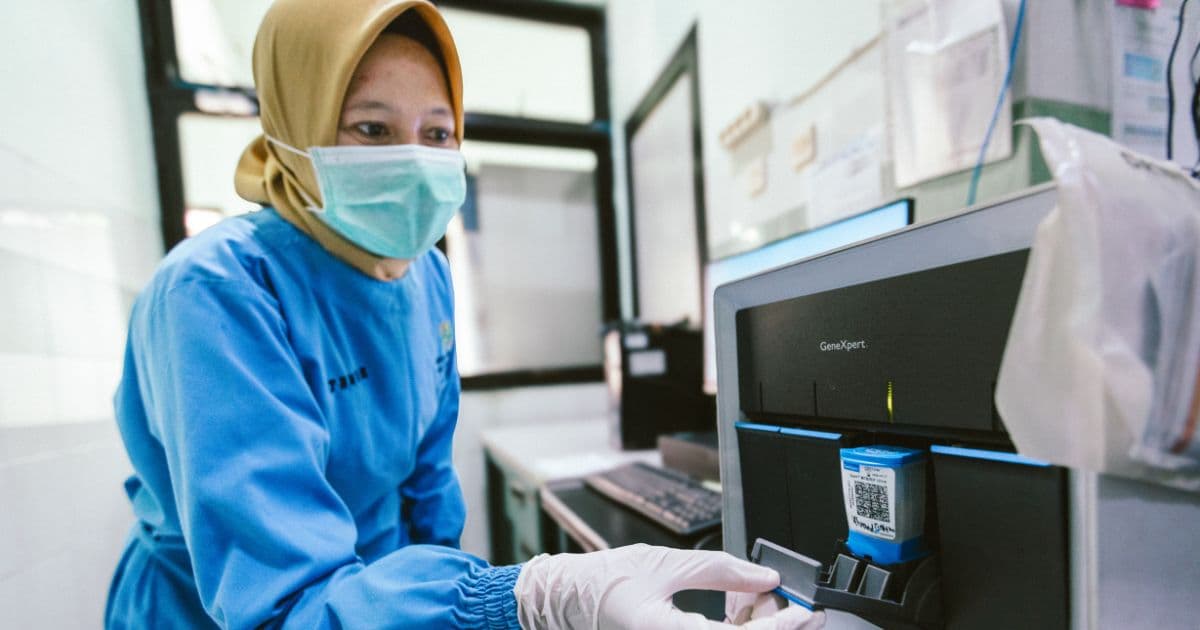
Lab analyst Dhira Dwi uses a GeneXpert machine to detect a presumptive case of drug-resistant TB
Participants practice the correct way to wear PPE during the Biosafety and Biosecurity and Biological Waste Workshop
Lab technicians test samples at the Institute Pasteur in Dakar, Senegal
Lab technicians pose in the HIV laboratory
Lab analyst Dhira Dwi uses a GeneXpert machine to detect a presumptive case of drug-resistant TB


